Digital Health Credentials and COVID-19: Can Vaccine and Testing Requirements Restart Global Mobility?
Related Content
Highlights
Fragmented digital health credential systems hamper recovery of travel after the COVID-19 pandemic.
- By late 2021, four major credential systems emerged to validate safe travel—the EU Digital COVID Certificate (EUDCC), DIVOC, SMART Health Cards, and ICAO VDS. But they remained largely incompatible with each other.
- Fragmented systems cause airport processing bottlenecks; manual verification has doubled processing times, hindering a return to prepandemic travel volumes.
- Vulnerable populations—refugees, unauthorized migrants, and those from low-vaccinated countries—face disproportionate exclusion from credential access.
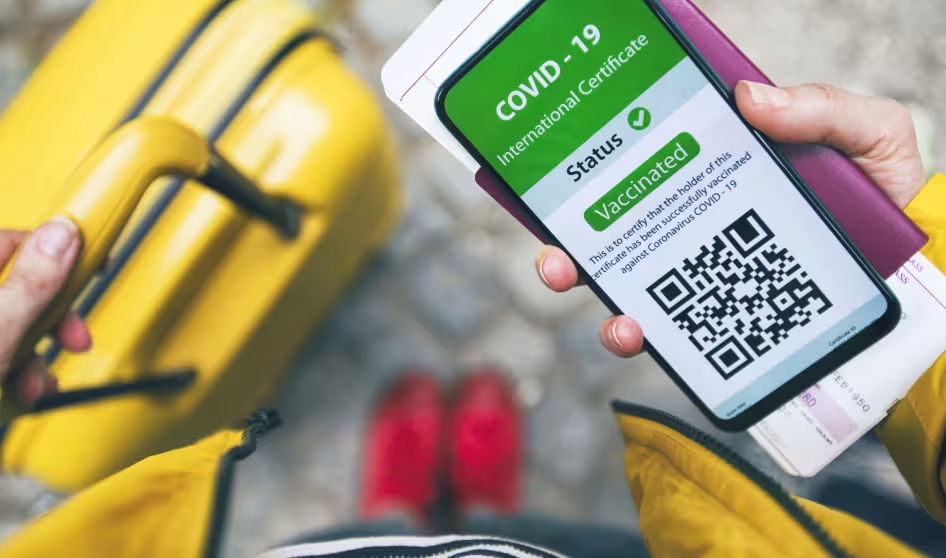
More than two years into the COVID-19 pandemic, rising vaccination levels and widespread testing in many countries are giving governments and the public increasing confidence in international travel. A central part of efforts to restart mobility are digital health credentials, which verify a person’s vaccination, testing, and/or recovery status. These credentials help to minimize the risk of travelers carrying the virus, and unlike paper credentials that must be manually inspected in airports and at borders, digital credentials can be automatically verified.
But even as digital health credentials are becoming increasingly common, gaps in international coordination and technical integration issues between different credential systems remain. As a result, migrants and travelers moving between—and at times within—countries must navigate a complex maze of digital systems.
This report examines the implications of digital health credentials for international travel and for immigrants’ and travelers’ access to domestic services and venues that also use such credentials. It also explores the implications for specific groups: tourists and business travelers, students, labor migrants, asylum seekers and refugees, and unauthorized migrants. Finally, it offers policy recommendations to facilitate mobility and minimize risks for people on the move.
Table of Contents
1 Introduction
2 Digital Health Credentials for International Travel
A. The Objectives of Digital Health Credentials
B. The Evolution of Digital Health Credentials
C. Key Questions for International Travel
3 Digital Health Credentials for Domestic Use
A. Credential Requirements and Mandates
B. Innovation and Fragmentation at the Subnational Level
4 Implications for Travel and People on the Move: Key Concerns and Opportunities
A. Tourists, Businesspeople, and Other Short-Term Travelers
B. International Students
C. Labor Migrants and Other Visa Holders
D. Refugees and Asylum Seekers
E. Unauthorized Immigrants
5 Recommendations for the Future of Digital Health Credentials
About the Global Program
The Global Program bridges policy advice, research, and candid dialogue to design effective migration policies, drawing on global evidence and anticipating the forces reshaping how people move.