Global Program

The Global Program acts as a policy laboratory for innovative, evidence-based, and politically feasible solutions to migration policy challenges. From direct policy advice to deep comparative research, its work interrogates policy design and effectiveness, helps countries newer to immigration learn from innovation and evidence in other regions, and anticipates how demographic, economic, and technological shifts will reshape migration in the years ahead. It supports governments in responding to crises with greater coordination and foresight, and provides a trusted off-the-record space for engaging with sensitive topics. Its main geographical focus is Europe, the Americas, and Australia, but it increasingly works with governments and other partners worldwide, including in East Africa and Asia. For more on the Global Program, click here.
Featured
How Europe Was Transformed by the 2015-16 Migration and Refugee Crisis
Ten years after the 2015-16 migration and refugee crisis, the European Union has reshaped its process for dividing up asylum claims and controlling…
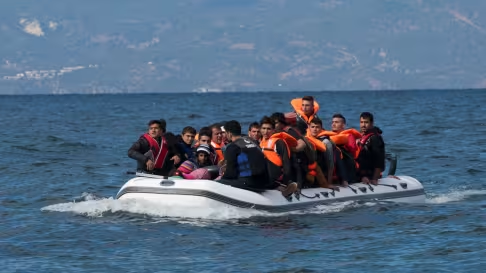
The Shifting Financing of Responses to Venezuelan Displacement
Financing for Latin American responses to Venezuelan displacement has changed over the years, and new approaches are needed in light of foreign aid…
Migration Diplomacy in an Age of Transactionalism
As international cooperation frays, balanced diplomacy—rather than coercive dealmaking—promises the most effective approach to emerging migration…
More Featured Work


Key Statistics
International migrants comprise 3.7 percent of the global population. Learn more about them
304 million
The number of migrants globally in 2024
50.6 million
The number who as of 2025 were refugees or asylum seekers
94 million
The number of international migrants in Europe—the top destination globally


Showing 241–250 of 702 results
How Climate-Linked Food Insecurity Shapes Migration
How do the intertwined forces of climate change, global trade, and food systems shape who migrates and who does not?

Talking Money: Climate Finance and Migration
As the costs of climate change mount, how are development banks and financial institutions shaping the resources available to communities at risk of displacement?

Could Curbing Globalization Prevent Future Pandemics?
Does the effort to curb globalization in the name of public health do more harm than the pandemics it claims to prevent?

Purposeful and Coordinated: Climate Change and Managed Retreat in India
What happens to communities in India when the land they've called home for generations begins to disappear?

Two Years into the Life of the Global Compacts on Refugees and Migration: A Status Check
Marking two years since the adoption of the Global Compact on Refugees and the Global Compact for Safe, Orderly, and Regular Migration, this conversation explores the extent to which the compacts have met expectations, how they are interconnected, the efforts undertaken so far by different countries, and the compacts’ potential to shape future debates and actions on migration and displacement.

What’s Next for Global Migration? Gazing Into the COVID-19 Crystal Ball
Can global governance keep up with COVID-19 travel restrictions, stranded migrants, and cross-border mobility challenges?

The Divergent Trajectories of the Global Migration and Refugee Compacts: Implementation amid Crisis
The two 2018 global Compacts on Migration and Refugees have diverged in implementation, shaped by political resistance, crises, and differing governance structures.

New Approaches to Climate Change and Migration: Building the Adaptive Capacity of Mobile Populations
As climate change intensifies displacement, new policy frameworks are needed to build the adaptive capacity of mobile populations and fill shortcomings in governance.

How Will International Migration Policy and Sustainable Development Affect Future Climate-Related Migration?
In a first-of-its-kind exercise, this report models how climate-related drivers of migration and displacement might be affected by varying greenhouse gas concentration scenarios.
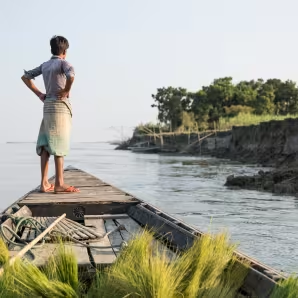
Construcción de un nuevo sistema migratorio regional: Redefiniendo la cooperación entre Estados Unidos con México y Centroamérica
El control fronterizo solo no basta; se propone un sistema regional con visas temporales, protección humanitaria, control profesionalizado e inversión en Centroamérica.