International Cooperation
All Content
Showing 1–10 of 610 results
How the United States Is Using Third Countries to Expand Immigration Control
U.S. deportations of individuals to a country other than that of their citizenship have been on the rise since 2025, with the growing number of third-country arrangements raising questions about safeguards.

Migration Diplomacy in an Age of Transactionalism
As international cooperation frays, balanced diplomacy—rather than coercive dealmaking—promises the most effective approach to emerging migration challenges.

Southern Africa’s Migration Integration Is Undermined by Rising Tensions and Changing Trends
Southern Africa’s migration patterns are straining existing governance systems.

Ghana’s Migration Trends Reflect West African Ties and Global Connections
Ghana’s migration policies have sought to promote mobility within West Africa while fostering ties with the diaspora and managing the tradeoffs of emigration.
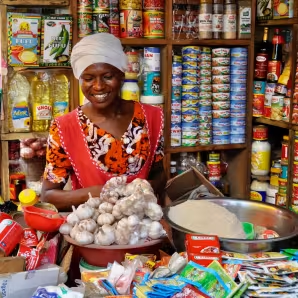
Nigeria Aims to Capitalize on Regional Integration amid Evolving Emigration Patterns
Nigeria is simultaneously a major destination for West African migrants and a source of growing emigration due to domestic factors including insecurity and unemployment.

“Climate Refugees” Do Not Exist as a Concept—But Countries Are Testing New Approaches to Offer Protection
International law does not recognize refugee status for people displaced by the impacts of climate change. But a series of national policy experiments and legal decisions are slowly building a framework for protection.

U.S. Third-Country Deportation Agreements Are More About Fear than Numbers
The Trump administration's third-country deportation agreements with 27 governments represent a small share of U.S. removals. But fear may be their main function.

Post-Maduro, a Measured Approach to Venezuelan Migration Is More Essential than Ever
Facing a post-Maduro future for Venezuela, most of the nearly 8 million Venezuelans abroad are cautiously waiting, and many are likely to keep building lives in their host country. In this uncertain context, governments should prioritize sustained regularization and integration over returns, genuine regional coordination, and renewed financing, this short read argues.

Tras Maduro, un enfoque mesurado de la migración venezolana es más esencial que nunca
Ante un posible escenario pos-Maduro para Venezuela, la mayoría de los casi 8 millones de venezolanos que se encuentran en el extranjero esperan con cautela, y es probable que muchos continúen construyendo sus vidas en los países de acogida. En este contexto de incertidumbre, los gobiernos deberían priorizar la regularización y la integración sostenidas por encima de los retornos, avanzar hacia una coordinación regional genuina y reactivar la financiación, sostiene este foco analítico.