U.S. Immigration Policy Program
The U.S. Immigration Policy Program provides thought leadership on ways to improve the U.S. immigration system so that it works most effectively in the national interest. To that end, its work focuses on immigration pathways to the United States and immigration enforcement policies and their impacts. It examines the complex demographic, economic, social, political, foreign policy, and other forces that shape U.S. immigration.
Program staff produce data and analyses of immigration trends and the characteristics of U.S. immigrant populations, including unauthorized immigrants. And they conduct original research on the impacts of policy change and the experiences of immigrant populations in diverse parts of the country. This work is frequently informed by private convenings of policymakers and key stakeholders. For more, click here.
The Latest Research
U.S. Deportations and “Self-Deportations” in the First 18 Months of the Second Trump Term
Filling a gap amid a slowdown in official data reporting from the federal government, this analysis offers a window into deportation and "self…

Featured
Physicians in an Era of Changing Immigration Policy: The Case of Nephrology
The care of kidney disease in the United States relies heavily on international medical graduates (IMGs). Recent policy changes could deepen…

Temporary Visa Holders in the United States
The number of U.S. temporary visas plummeted during the COVID-19 pandemic, rebounded, and then fell again in fiscal year (FY) 2025. Preliminary data…

Following Years of High Border Arrivals, the U.S. Unauthorized Immigrant Population Hits New Peak
MPI estimates the U.S. unauthorized immigrant population reached a new peak of 15.8 million as of mid-2024, after holding steady at around 11 million…

More Featured Work
From Counterterrorism to Immigration Enforcement: 25 Years On, Post-9/11 U.S. Changes Have Been Repointed
Post-9/11 national security tools have been repurposed for immigration, expanding the U.S. government’s capacity for surveillance, data sharing, and…

Attacked as "De Facto Amnesty," U.S. Temporary Protected Status Is Abruptly Eroded
The Trump administration moved to terminate most of the 17 Temporary Protected Status (TPS) designations in place when its second term began,…

Though Rare, Birth Tourism to the United States Sparks Outsized Concern
While rare, birth tourism has become a central but contested justification in the Trump administration's push to end the guarantee of birthright…

Key Statistics
Learn more about immigrants and immigration to the United States
14.8%
The immigrant share of the total U.S. population
Learn how this share has evolved (opens in a new tab)50.2 million
The number of immigrants in the United States
Explore Data Profiles by State (opens in a new tab)18.4%
The share of workers in the U.S. civilian labor force who are immigrants
Get the data at U.S. and state levels (opens in a new tab)
Showing 461–470 of 824 results
The Unauthorized Population in the United States: New Data Trends
Marking the release of a report examining recent trends regarding the unauthorized immigrant population in the United States at national, state, and county levels, this webinar answers the questions of which countries the unauthorized are from, where they have settled in the United States, and how these patterns have changed over the last two decades.
DACA at Three: New Data on Potential Applicants and Analysis of the Renewal Process
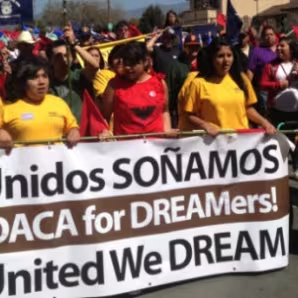
On this webinar, MPI experts provide data on characteristics of the potential applicant pool for the Deferred Action for Childhood Arrivals (DACA) program, and examine who is signing up for DACA renewal. The webinar also focuses on some of the administrative difficulties surrounding the renewal program.
In-Country Processing in Central America: A Piece of the Puzzle
The Central American Minors program provides eligible northern Central American minors a legal alternative to dangerous migration, but historical precedent suggests limited reach.

DACA at the Three-Year Mark: High Pace of Renewals, But Processing Difficulties Evident
By March 2015, 83 percent of eligible DACA beneficiaries had renewed. But processing delays and outreach gaps at USCIS raised the risk of coverage lapses for many recipients.
An Analysis of Unauthorized Immigrants in the United States by Country and Region of Birth
While Mexico still accounts for more than half of unauthorized immigrants in the United States, Central American and Asian populations tripled after 2000.
Repealing Birthright Citizenship: The Unintended Consequences
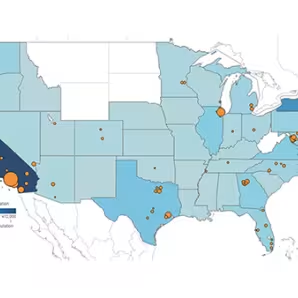
Repealing birthright citizenship would grow the U.S. unauthorized population, contrary to its stated aims, and would create a self-perpetuating underclass excluded from social membership for generations.

Targeted Enforcement: Projecting the Effects of Executive Action on Deportations
This is the release event for an MPI report exploring the November 2014 executive actions related to revisions in DHS immigration enforcement priorities, and replacement of Secure Communities with the Priority Enforcement Program. The briefing will provide estimates the number of unauthorized immigrants now considered priorities for enforcement.

Understanding the Potential Impact of Executive Action on Immigration Enforcement
Changed DHS prosecutorial discretion guidelines in 2014 narrowed enforcement to 13 percent of unauthorized immigrants, according to MPI estimates.

Federal-Local Cooperation on Immigration Enforcement Frayed; Chance for Improvement Exists
A 2015 San Francisco shooting exposed deep rifts in federal-local immigration enforcement, at a time that more than 360 jurisdictions have limited their cooperation with ICE.

Quick Resolution of Challenge over Obama Administration Deportation Relief Programs Is Ever Less Likely
A federal appeals court ruling left President Barack Obama’s DAPA and expanded DACA in legal limbo while other executive actions moved ahead.


- General Inquiries
- Media Inquiries
-
Michelle Mittelstadt
202 266 1910 [email protected]