U.S. Immigration Policy Program
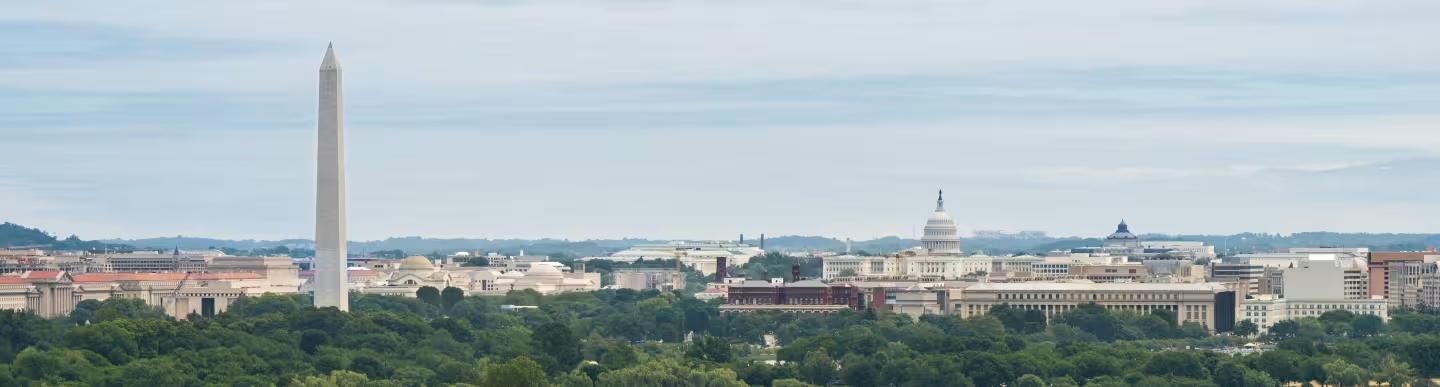
The U.S. Immigration Policy Program provides thought leadership on ways to improve the U.S. immigration system so that it works most effectively in the national interest. To that end, its work focuses on immigration pathways to the United States and immigration enforcement policies and their impacts. It examines the complex demographic, economic, social, political, foreign policy, and other forces that shape U.S. immigration.
Program staff produce data and analyses of immigration trends and the characteristics of U.S. immigrant populations, including unauthorized immigrants. And they conduct original research on the impacts of policy change and the experiences of immigrant populations in diverse parts of the country. This work is frequently informed by private convenings of policymakers and key stakeholders. For more, click here.
The Latest Research
U.S. Deportations and “Self-Deportations” in the First 18 Months of the Second Trump Term
Filling a gap amid a slowdown in official data reporting from the federal government, this analysis offers a window into deportation and "self…

Featured
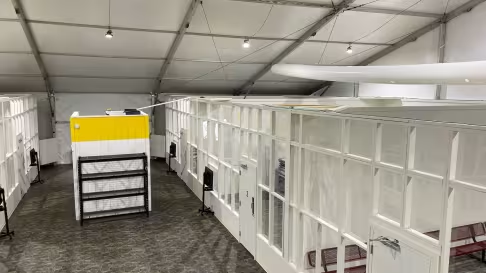
ICE’s Fast-Growing Detention Network Faces Scrutiny amid Record Deaths and Alleged Waste
The Trump administration has expanded immigration detention to unprecedented levels, drawing scrutiny over a record number of detainee deaths,…
Physicians in an Era of Changing Immigration Policy: The Case of Nephrology
The care of kidney disease in the United States relies heavily on international medical graduates (IMGs). Recent policy changes could deepen…

Temporary Visa Holders in the United States
The number of U.S. temporary visas plummeted during the COVID-19 pandemic, rebounded, and then fell again in fiscal year (FY) 2025. Preliminary data…

More Featured Work
From Counterterrorism to Immigration Enforcement: 25 Years On, Post-9/11 U.S. Changes Have Been Repointed
Post-9/11 national security tools have been repurposed for immigration, expanding the U.S. government’s capacity for surveillance, data sharing, and…

Following Years of High Border Arrivals, the U.S. Unauthorized Immigrant Population Hits New Peak
MPI estimates the U.S. unauthorized immigrant population reached a new peak of 15.8 million as of mid-2024, after holding steady at around 11 million…

Attacked as "De Facto Amnesty," U.S. Temporary Protected Status Is Abruptly Eroded
The Trump administration moved to terminate most of the 17 Temporary Protected Status (TPS) designations in place when its second term began,…

Key Statistics
Learn more about immigrants and immigration to the United States
14.8%
The immigrant share of the total U.S. population
Learn how this share has evolved (opens in a new tab)50.2 million
The number of immigrants in the United States
Explore Data Profiles by State (opens in a new tab)18.4%
The share of workers in the U.S. civilian labor force who are immigrants
Get the data at U.S. and state levels (opens in a new tab)
Showing 821–825 of 825 results
Bush Proposal Lumps INS into Homeland Security Dept.
President George W. Bush proposed merging the Immigration and Naturalization Service (INS) into a new Department of Homeland Security (DHS) in June 2002.

Reconcilable Differences? An Evaluation of Current INS Restructuring Proposals
Fixing the U.S. Immigration and Naturalization Service (INS) requires more than reorganization—it demands a single, independent agency with clear authority and unified policy.
Gov't Mulls Revamping INS, Shortening Visas
In spring 2002, the U.S. Congress debated replacing the Immigration and Naturalization Service (INS), proposed shortening tourist visas to 30 days, and President George W. Bush signed a new border security law.
A Grand Bargain: Balancing the National Security, Economic, and Immigration Interests of the U.S. and Mexico
This influential paper outlines a “grand bargain” that the United States and Mexico could agree to create a legalization program, new border security, and temporary worker program.
Background Paper on Immigration and National Security
Post-9/11 review of U.S. visa and border systems urges better intelligence sharing and EU-style cooperation to boost security while protecting civil liberties.
- General Inquiries
- Media Inquiries
-
Michelle Mittelstadt
202 266 1910 [email protected]