U.S. Immigration Policy Program
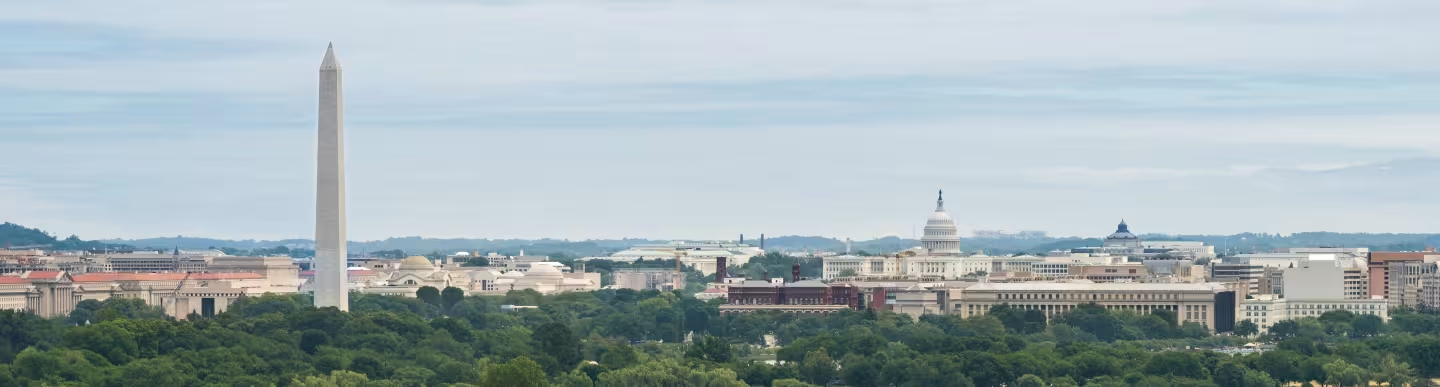
The U.S. Immigration Policy Program provides thought leadership on ways to improve the U.S. immigration system so that it works most effectively in the national interest. To that end, its work focuses on immigration pathways to the United States and immigration enforcement policies and their impacts. It examines the complex demographic, economic, social, political, foreign policy, and other forces that shape U.S. immigration.
Program staff produce data and analyses of immigration trends and the characteristics of U.S. immigrant populations, including unauthorized immigrants. And they conduct original research on the impacts of policy change and the experiences of immigrant populations in diverse parts of the country. This work is frequently informed by private convenings of policymakers and key stakeholders. For more, click here.
The Latest Research
U.S. Deportations and “Self-Deportations” in the First 18 Months of the Second Trump Term
Filling a gap amid a slowdown in official data reporting from the federal government, this analysis offers a window into deportation and "self…

Featured
Physicians in an Era of Changing Immigration Policy: The Case of Nephrology
The care of kidney disease in the United States relies heavily on international medical graduates (IMGs). Recent policy changes could deepen…

Temporary Visa Holders in the United States
The number of U.S. temporary visas plummeted during the COVID-19 pandemic, rebounded, and then fell again in fiscal year (FY) 2025. Preliminary data…

Following Years of High Border Arrivals, the U.S. Unauthorized Immigrant Population Hits New Peak
MPI estimates the U.S. unauthorized immigrant population reached a new peak of 15.8 million as of mid-2024, after holding steady at around 11 million…

More Featured Work
From Counterterrorism to Immigration Enforcement: 25 Years On, Post-9/11 U.S. Changes Have Been Repointed
Post-9/11 national security tools have been repurposed for immigration, expanding the U.S. government’s capacity for surveillance, data sharing, and…
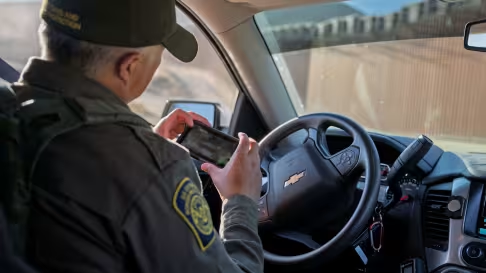
Attacked as "De Facto Amnesty," U.S. Temporary Protected Status Is Abruptly Eroded
The Trump administration moved to terminate most of the 17 Temporary Protected Status (TPS) designations in place when its second term began,…

Though Rare, Birth Tourism to the United States Sparks Outsized Concern
While rare, birth tourism has become a central but contested justification in the Trump administration's push to end the guarantee of birthright…

Key Statistics
Learn more about immigrants and immigration to the United States
14.8%
The immigrant share of the total U.S. population
Learn how this share has evolved (opens in a new tab)50.2 million
The number of immigrants in the United States
Explore Data Profiles by State (opens in a new tab)18.4%
The share of workers in the U.S. civilian labor force who are immigrants
Get the data at U.S. and state levels (opens in a new tab)
Showing 291–300 of 824 results
International vs. National Protection for Refugees: Diverging Trends?
MPI's Kathleen Newland, Refugee Council USA's Mary Giovagnoli, and David Scott FitzGerald, author of Refuge beyond Reach, discuss how and why international and national responses to the rising challenge of refugee displacement are diverging. Topics include what lies ahead for the Global Compact on Refugees and how adjustments to asylum policies in many high-income democracies are narrowing the paths to protection.

How Many Unauthorized Immigrants Graduate from U.S. High Schools Annually?
MPI estimated 98,000 unauthorized immigrants graduate from U.S. high schools per year, with California and Texas accounting for 44 percent.
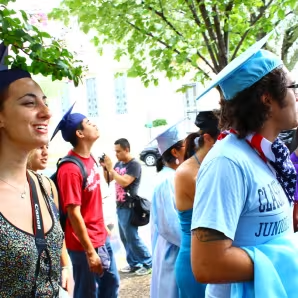
Illegal Immigration in the United States
How have the size and characteristics of the unauthorized population changed over time? And how are unauthorized immigration patterns changing?

Policy Solutions to Address Crisis at Border Exist, But Require Will and Staying Power to Execute
A range of policy responses would more effectively address the complex factors fueling Central American migration than closing the U.S.-Mexico border and cutting off aid to Central America.

How the U.S. Legal Immigration System Works
This explainer answers common questions about the visa categories immigrants use to move temporarily or permanently to the United States, how many people are in the green-card backlog, and more.

Immigrant Families and Child Welfare Systems: Emerging Needs and Promising Policies
Growing immigrant family numbers and tougher enforcement strain child welfare. This report identifies key policy gaps and promising agency approaches to better serve families.

Remain in Mexico Plan Echoes Earlier U.S. Policy to Deter Haitian Migration
The Remain in Mexico policy echoes 1980s and 1990s Haitian interdiction strategies, with key legal distinctions that may determine whether it survives court challenge.

Upskilling the U.S. Labor Force: Mapping the Credentials of Immigrant-Origin Workers
This webinar discusses the first-ever profile of the 30 million immigrant-origin adults in the United States who lack a postsecondary credential such as a college degree, apprenticeship certificate, or occupational license. The researchers discuss their findings and policy implications with leading experts.

More Than a DREAM (Act), Less Than a Promise
The first bill introduced in the 116th Congress to offer a path to legal status to Dreamers, the American Dream and Promise Act of 2019, could legalize nearly 2.7 million, MPI estimates.
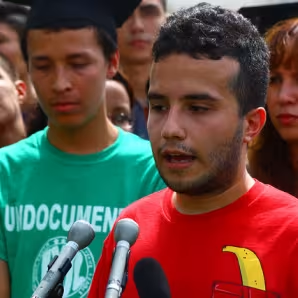
Credentials for the Future: Mapping the Potential for Immigrant-Origin Adults in the United States
In 2017, 30 million immigrant-origin adults lacked postsecondary credentials, making them an underserved yet critical target for U.S. upskilling efforts.

- General Inquiries
- Media Inquiries
-
Michelle Mittelstadt
202 266 1910 [email protected]