Transatlantic Council on Migration

The Transatlantic Council on Migration is a unique, deliberative body, launched in 2008, that supports pragmatic, evidence-based migration and integration policymaking across Europe and North America through essential analysis, high-level convenings, and cutting-edge policy advice to senior leaders.
The Council aims to help inform the transatlantic agenda and promote better-informed policymaking by proactively identifying critical policy issues, analyzing them in light of the best research, and bringing them to public attention. At the same time, it aims to serve as a resource for governments as they grapple with the challenges and opportunities associated with international migration. The Council’s goal is to support pragmatic and evidence-based policymaking that can adapt to evolving needs and changing political realities. Learn more about the Council here.


Showing 41–50 of 185 results
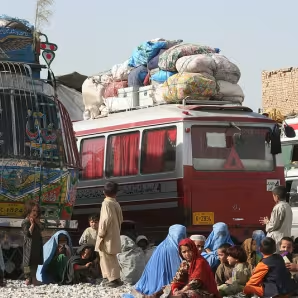
From Forced Migration to Forced Returns in Afghanistan: Policy and Program Implications
Forced returns to Afghanistan are rising despite ongoing conflict, and high re-emigration rates suggest that narrowly economic reintegration programs are not working.
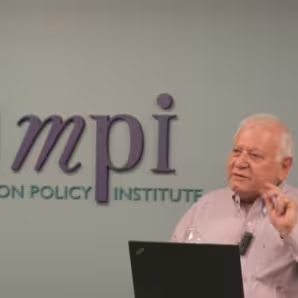
The International Migration System: Reflections on the Challenges and Opportunities Ahead
A reflection by MPI's co-founder, Demetrios Papademetriou, as he takes leave from his day-to-day role at MPI on the challenges and opportunities ahead for international migration systems over the next few decades. After opening remarks, Papademetriou engages in a conversation with incoming MPI President Andrew Selee about the trends and realities confronting policymakers and publics.
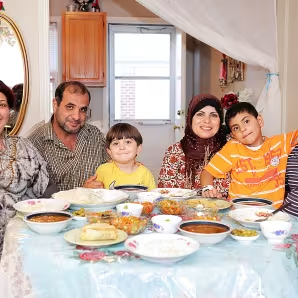
How Are Refugees Faring? Integration at U.S. and State Levels
Refugee integration outcomes in four major U.S. states vary more by national origin than by state policy, suggesting state placement matters less than previously assumed.
Weathering Crisis, Forging Ahead: Swedish Asylum and Integration Policy
Sweden's 2015 asylum surge buckled its reception system, and the border controls and benefit cuts that followed may undermine the immigrant integration they were meant to protect.
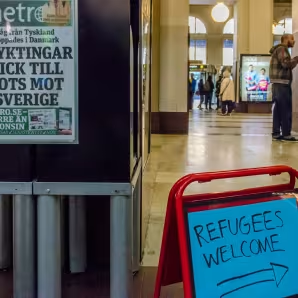
Immigration and its Discontents: European Elections and Future Policy
The increasing strength of Marine Le Pen’s National Front ahead of the French elections, along with the recent Dutch elections, Brexit, and Donald Trump's election to the White House demonstrate how immigration is a motivating issue for increasing numbers of voters. This webinar explores the implications of this support for radical change.

The Economic Integration of Refugees in Canada: A Mixed Record?
Refugees in Canada experience mixed economic outcomes, on average catching up to native-born workers but taking 12 to 15 years to fully integrate into the labor market.
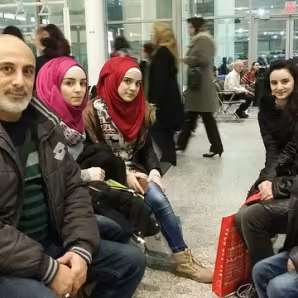
Rebuilding after Crisis: Embedding Refugee Integration in Migration Management Systems (Council Statement)
Successful refugee integration after Europe’s 2015-16 migration crisis requires aligning asylum and integration systems while rebuilding public trust in government’s ability to manage migration.

Constrained by its Roots: How the Origins of the Global Asylum System Limit Contemporary Protection
Territorial asylum, designed for manageable outflows not mass displacement, requires expanded resettlement, responsibility sharing, and Global South investment to work.
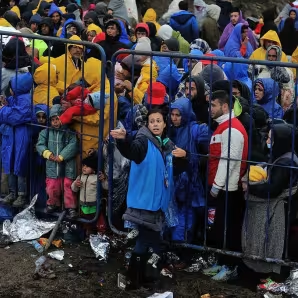
Beyond Care and Maintenance: Rebuilding Hope and Opportunity for Refugees (Transatlantic Council Statement)
The global "care and maintenance" model fails most displaced people. Solutions require expanded support, self-reliance opportunities, and investment in host countries.
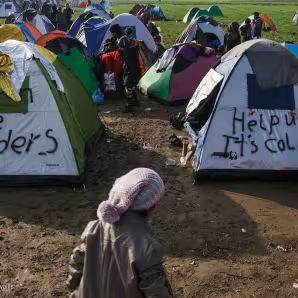
Protection through Mobility: Opening Labor and Study Migration Channels to Refugees
Legal labor and study migration channels can expand refugee self-sufficiency and relieve the burden on first-asylum countries. But only a small share of displaced people will qualify.