Integration

All Content
Showing 311–320 of 1207 results
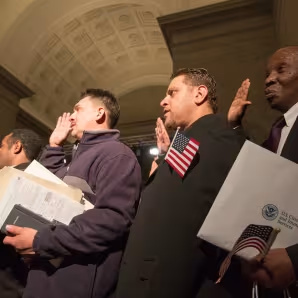
Naturalized Citizens in the United States
U.S. naturalization rates hit a decade low in fiscal year (FY) 2020, even as 9.1 million green-card holders were eligible to become U.S. citizens.
How the Child Welfare System Can Better Respond to Needs of Children from Immigrant Families
One out of four U.S. children has an immigrant parent. Explore the intersections between immigration and child welfare systems, along with promising local practices that child welfare agencies can take to improve their interactions with these families.

Immigrant Integration: Essential to the Success of Immigration Policy
While Canada, Australia, and Europe invest intentionally in immigrant integration, the U.S. still treats it as an afterthought—the consequences show up in classrooms, labor markets, and communities nationwide.
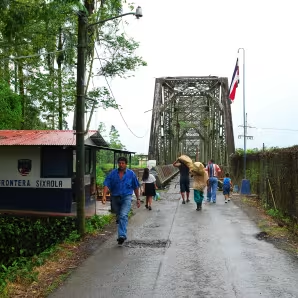
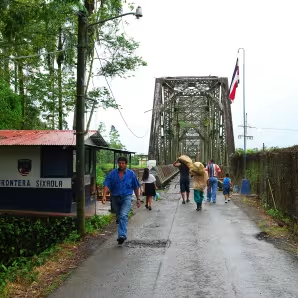
Costa Rica Has Welcoming Policies for Migrants, but Nicaraguans Face Subtle Barriers
Costa Rica's generous legal framework for migrants coexists with entrenched social discrimination against Nicaraguans, who have long headed to neighboring Costa Rica.

Effects of the Pandemic on High School English Learners and Ways to Help Them Recover
This webinar examined the challenges for high school English Learners (ELs) during the pandemic, state- and district-level efforts that can help ELs recover academically, and research on the postsecondary aspirations of immigrant-background Latina/o students.

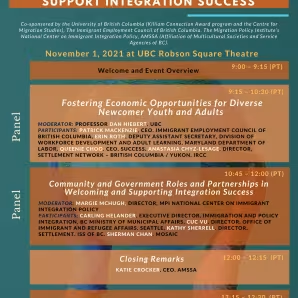
Immigrant Integration During and After the COVID-19 Pandemic: Government and NGO Plans to Support Integration Success
This symposium provided government and NGO perspectives from Canada and the United States on the challenges and opportunities that the COVID-19 pandemic poses for immigrant integration.
The Impacts on English Learners of Key State High School Policies and Graduation Requirements
Key state graduation requirements, course access, and teacher policies create distinct barriers for English Learner (EL) students on the path to earning a high school diploma.

The State of Costa Rican Migration and Immigrant Integration Policy
Costa Rica’s migration system faces key gaps in regularization access, labor market integration, and coordination. Nicaraguans and newer arrivals face particular barriers.
El estado de la política migratoria y de integración de Costa Rica
Costa Rica, con la mayor tasa de migrantes en la región, debe reformar su marco de regularización e integración para responder a un tercer ciclo migratorio más complejo.
Narrowing the Skills Gap: Equipping Immigrant-Origin Workers with Postsecondary Credentials
The number of U.S. adults who could benefit from efforts to boost postsecondary credential attainment is strikingly large. Nearly 96 million working-age adults lack a postsecondary credential, 28 million of them of immigrant origin, MPI estimates. This commentary examines how enabling immigrant-origin adults to attain credentials beyond a high school diploma is vital to both building a skilled workforce and closing equity gaps.