K-12 Education
All Content
Showing 141–150 of 210 results
Child and Family Migration to the United States: Continuing Flows and Evolving Responses
A webinar examining the shifting pattern of Central American migration between 2011 and 2014 and expectations for 2015, why inflows in this period present a particularly acute policy challenge, and how states, localities, the U.S. government, and other countries in the region are responding to the crisis.
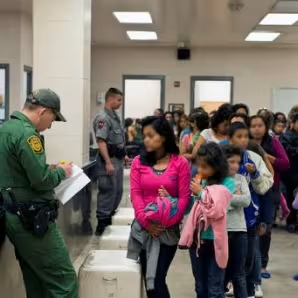
Migrant Education and Community Inclusion: Examples of good practice
Family and community involvement in schools is essential for migrant student integration, and a range of European good practices show how to build those bridges effectively.

Reducing the Risk that Youth with a Migrant Background in Europe Will Leave School Early
Migrant youth left school early in EU countries at more than double the native rate in 2012, and structural reforms, not language support alone, are needed to close the gap.

Through an Immigrant Lens: PIAAC Assessment of the Competencies of Adults in the United States
Immigrants make up a disproportionate share of low-skilled U.S. adults, yet limited training access leaves this human-capital potential unrealized.

Children Left Behind: The Impact of Labor Migration in Moldova and Ukraine
Parental absence carries documented risks, and maternal migration in particular carries a heavy developmental toll on children left behind.

The County-Level View of Unauthorized Immigrants and Implications for Executive Action Implementation
A webinar showcasing MPI's profiles of unauthorized immigrants in the 94 U.S. counties with the largest populations potentially eligible for DACA or DAPA, and the implications of the data for implementation of the DACA and DAPA programs.
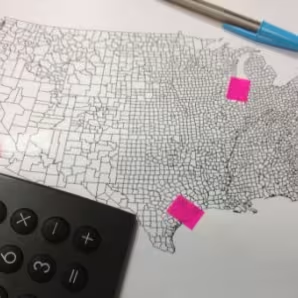
Lessons from DACA’s Implementation and its Impact on Education and Training
A webinar releasing an MPI report that examines the outreach and initiatives by educational institutions and other community stakeholders in seven states—California, Florida, Georgia, Illinois, Maryland, New York, and Texas—to support the education and training success of grantees of the Deferred Action for Childhood Arrivals program.
Lessons from the Local Level: DACA's Implementation and Impact on Education and Training Success
DACA created new education-immigration partnerships, but financial barriers and strained adult education capacity limit grantees' academic progress.
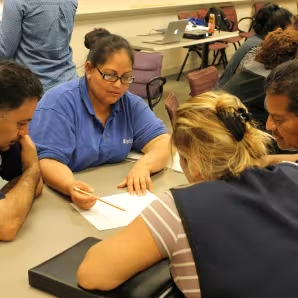
Developing School Capacity for Diversity
School quality affects migrant children more than higher-status peers, making professional capacity for diversity the central lever for closing the achievement gap in European education systems.

Enhancing EU Education Policy: Building a framework to help young people of migrant background succeed
Third-country nationals leave EU schools early at more than double the average rate. Closing this gap requires community-centered, systemic, and inclusion-based reform.
