U.S. Immigrant Population Spotlights
Showing 111–120 of 277 results
Middle Eastern and North African Immigrants in the United States
Nearly 1.2 million immigrants from the Middle East and North Africa lived in the United States in 2016.
Cuban Immigrants in the United States
In 2016, nearly 1.3 million Cubans lived in the United States, with arrivals surging as migrants anticipated the end of preferential U.S. immigration protections.
Chinese Immigrants in the United States
Chinese immigrants were the third-largest foreign-born group in the United States in 2016 and were the leading source of international students on U.S. college campuses.

Indian Immigrants in the United States
Indian immigrants, who made up the second-largest foreign-born group in the United States in 2015, tend to be younger and more highly educated than immigrants overall.
Haitian Immigrants in the United States
The Haitian immigrant population in the United States tripled between 1990 and 2015, to reach 676,000.
Immigrant Health-Care Workers in the United States
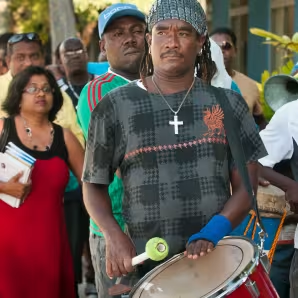
Immigrants filled roughly one in six U.S. health-care jobs in 2015, concentrated at both ends of the occupational spectrum. Yet these workers are largely overlooked by U.S. visa policy.

Refugees and Asylees in the United States
The United States resettled 84,994 refugees in fiscal year (FY) 2016, even as the Trump administration moved to sharply curtail future refugee admissions in its first term.
Sub-Saharan African Immigrants in the United States
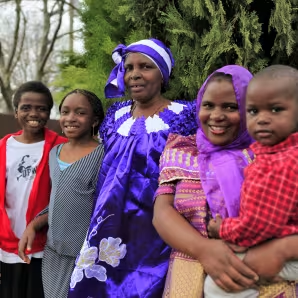
Sub-Saharan Africans in the United States are a fast-growing, highly educated group, with many entering as refugees or through the Diversity Visa Lottery.
Inmigrantes Centroamericanos en los Estados Unidos
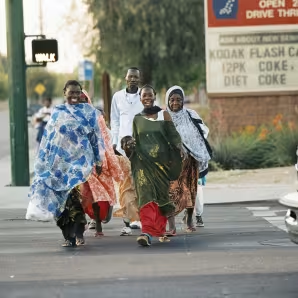
Los 3.4 millones de centroamericanos que se encontraban en Estados Unidos en 2015 mostraban una elevada actividad en el mercado laboral y, en su mayoría, carecían de permiso de residencia.
Central American Immigrants in the United States
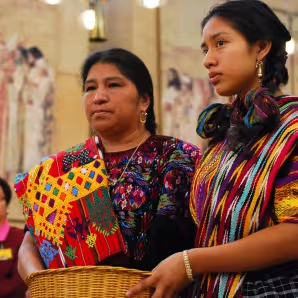
The 3.4 million Central American immigrants living in the United States in 2015 were highly active in the labor market, with about half lacking legal status.