U.S. Immigrant Population Spotlights
Showing 131–140 of 277 results
Frequently Requested Statistics on Immigrants and Immigration in the United States
In 2014, 42.4 million immigrants made up 13.3 percent of the U.S. population.

Mexican Immigrants in the United States
In 2014, there were 11.7 million Mexican immigrants in the United States; they tended to be younger, have lower incomes, and were less likely to have health insurance than other immigrants.

South American Immigrants in the United States
In 2014, there were 2.9 million South American immigrants in the United States.

College-Educated Immigrants in the United States
In 2014, 10.5 million college-educated immigrants boosted the U.S. STEM and health workforce even as many were unable to fully utilize their skills.

Immigrants from Asia in the United States
In 2014, people born in Asian accounted for 30 percent of U.S. immigrants, with high rates of educational attainment, sizable median incomes, and wide differences across origin groups.

European Immigrants in the United States
European immigrants in 2014 formed a shrinking share of U.S. arrivals, yet stood out for tending to be older, highly educated, and high earners.

Refugees and Asylees in the United States
Burma, Iraq, and Somalia were the top countries for U.S. refugee admissions in FY 2015; Texas and California were top initial resettlement states.

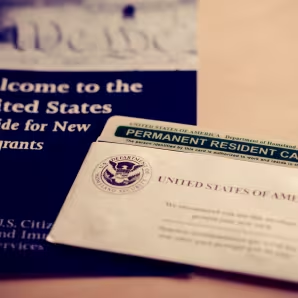
Green-Card Holders and Legal Immigration to the United States
In 2013, nearly 1 million new lawful permanent residents were admitted to the United States, mostly through family reunification.
Central American Immigrants in the United States
In 2013, there were 3.2 million Central American immigrants in the United States, most of them from the Northern Triangle.

Filipino Immigrants in the United States
In 2013, the 1.8 million Filipino immigrants in the United States tended to be highly educated, reported high incomes, and were mostly U.S. citizens.