Asia & the Pacific
All Content
Showing 361–370 of 394 results
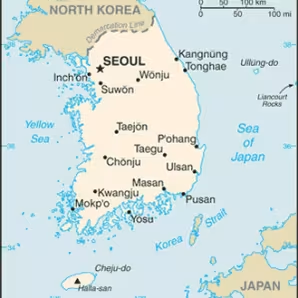
South Korea: Balancing Labor Demand with Strict Controls
Despite South Korea's economic demand for labor, strict controls and a preference for homogeneity drive unauthorized workers’ predominance in the foreign labor force.
The Foreign Born from Korea in the United States in 2000
Korean immigrants in the United States were likely to be naturalized than immigrants overall as of 2000.

Cross-Border Human Flows in Northeast Asia
Post-Cold War migration in Northeast Asia, driven by Chinese economic pressures and North Korean hardship, is reshaping host societies and regional policy frameworks.
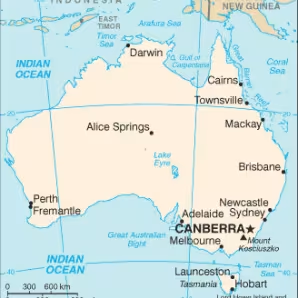
Australia's Continuing Transformation
Skills-based migration reshaped Australia after the White Australia Policy ended, but asylum deterrence and security concerns now drive the immigration debate.
Beyond Remittances: The Role of Diaspora in Poverty Reduction in their Countries of Origin
Diaspora communities reduce poverty in countries of origin through investment, knowledge, and policy tools that go well beyond remittances.
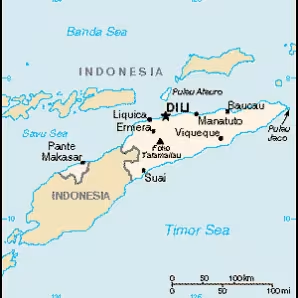
East Timor: Old Migration Challenges in the World's Newest Country
East Timor's 1999 independence was followed by mass displacement, wage distortions, porous borders, and an immigration law requiring constitutional revision.
China: From Exceptional Case to Global Participant
China's overseas population grew from 22 million in 1985 to 33 million by 2000, as economic reforms drove skilled migration to North America, Australasia, and Europe.
The Foreign Born from Vietnam in the United States in 2000
The Vietnamese immigrant population in the United States grew 82 percent between 1990 and 2000 to more than 988,000.
Tonga: Migration and the Homeland
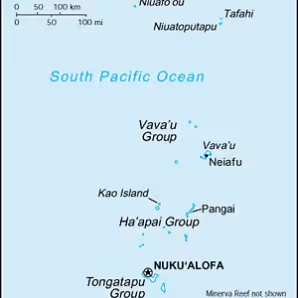
Remittances equal half of Tonga’s economy in 2002, but an overseas-born generation with weaker homeland ties threatens the long-term flow.
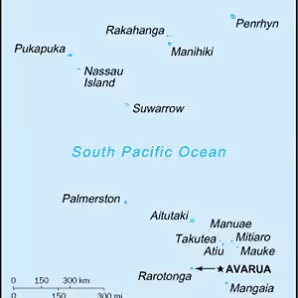
Cook Islands: Migrating from a Micro-State
Seventy percent of Cook Islanders lived in New Zealand in 2004, as debt and economic decline drive emigration from the Pacific micro-state of roughly 18,000 residents.