Germany

Key Statistics
Data are 2024 UN data and may differ from national statistics agencies.
16750000
Immigrant Population
19.8 %
Immigrant Share of Total Population
4297000
Emigrant Population
All Content
Showing 61–70 of 141 results
Under Lockdown Amid COVID-19 Pandemic, Europe Feels the Pinch from Slowed Intra-EU Labor Mobility
COVID-19 exposed the European Union’s reliance on mobile Eastern European workers—and the inequality that underpins intra-EU labor mobility.

Chasing Efficiency: Can operational changes fix European asylum systems?
Since Europe's 2015–16 migration crisis, EU countries have tested operational asylum reforms, yielding mixed but instructive results.
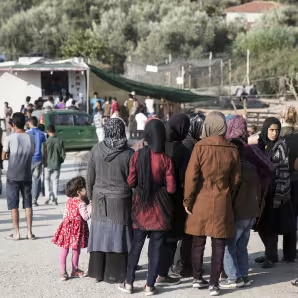
Seasonal Worker Programmes in Europe: Promising practices and ongoing challenges
Europe's seasonal worker programmes fill key labour gaps but face challenges in recruitment transparency, worker protection, and maximising benefits for origin countries.

Beyond Work: Reducing Social Isolation for Refugee Women and Other Marginalized Newcomers
Newcomers not in the workplace are at heightened risk for social isolation. Investment in economic empowerment, volunteering, and nonwork programs can combat social isolation.
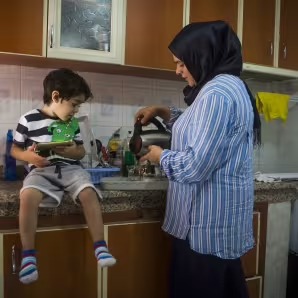
Rebuilding Community after Crisis: Striking a New Social Contract for Diverse Societies (Transatlantic Council Statement)
This Transatlantic Council Statement urges a new social contract on economic inclusion, housing, cohesion, and values to rebuild following migration crises.

Refugee Sponsorship Programmes: A global state of play and opportunities for investment
As refugee resettlement falls globally, private investment in sponsorship programmes can catalyse new pathways and sustain existing ones.

Integrating Refugees and Asylum Seekers into the German Economy and Society: Empirical Evidence and Policy Objectives
Survey data show Germany's refugees are integrating slightly faster than prior cohorts, but gender gaps, legal uncertainty, and policy tradeoffs persist.

Volunteers and Sponsors: A Catalyst for Refugee Integration?
Volunteers and sponsors can powerfully complement refugee integration services, but effective engagement requires dedicated funding, training, and policy support.

Legal Migration for Work and Training: Mobility options to Europe for those not in need of protection
Five EU countries offer legal work channels for low- and middle-skilled migrants, but slow procedures, weak protections, and skills mismatches limit effectiveness.

Social Innovation for Refugee Inclusion: From bright spots to system change
Social innovation for refugee inclusion surged in Europe after 2015 but must move beyond niche pilots through smarter partnerships, evaluation, and sustainable funding.
