Germany

Key Statistics
Data are 2024 UN data and may differ from national statistics agencies.
16750000
Immigrant Population
19.8 %
Immigrant Share of Total Population
4297000
Emigrant Population
All Content
Showing 41–50 of 141 results
Destination-Country Policies to Foster Diaspora Engagement in Development
Few Western destination countries sustain diaspora-for-development programs. Patience, capacity support, and long-term commitment are key to success.

Are Climate Migrants Treated Differently than Other Migrants?
How do public perceptions of climate-related migrants compare to other migrant groups, and what factors shape support for their resettlement?

Promoting the Inclusion of Europe’s Migrants and Minorities in Arts and Culture
Europe's cultural institutions trail societal diversity. Anti-racism movements and the COVID-19 pandemic have heightened the push to include migrants and minorities in the arts.

The Winding Road to Marrakech: Lessons from the European Negotiations of the Global Compact for Migration
EU negotiations of the 2018 Global Compact for Migration exposed deep divisions. Compromise diluted ambition and left legal pathways largely nonbinding.

How Can Europe Deliver on the Potential of Talent Partnerships?
Amid looming labour shortages, Europe’s Talent Partnerships represent a possible solution. But success will depend on buy-in and flexible design, as pilot programmes have yet to demonstrate scalability.

The Changing Concepts around Immigrant Integration
Integration frameworks have shifted from one-way assimilation to a two-way process. But measuring whether integration policies work remains an enduring challenge.

Refugee Resettlement and Complementary Pathways: Opportunities for growth
Resettlement reaches fewer than 1 percent of refugees annually. To scale protection, labor, education, and sponsorship pathways are being used but face persistent barriers.
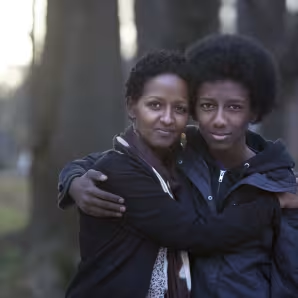
Healing the Gap: Building inclusive public-health and migrant integration systems in Europe
COVID-19 deepened migrant health disparities in Europe. This report suggests a coordinated, prevention-focused approach that shifts beyond emergency-driven responses.

‘Diversifying’ Social Investment: European welfare states and immigrant integration in the wake of the COVID-19 crisis
COVID-19 exposed deep welfare gaps for migrants in Europe. Diversifying social investment with tailored, needs-based support can advance integration outcomes and social cohesion.

Taking the Long View: Options for inclusive post-pandemic labor markets
Migrants in Europe bore outsized COVID-19 job losses. Entrepreneurship, social economy pathways, and employment services reform can support a more inclusive recovery.