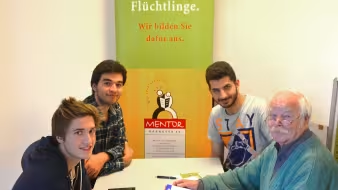
Volunteers and Sponsors: A Catalyst for Refugee Integration?

Volunteers and sponsors can powerfully complement refugee integration services, but effective engagement requires dedicated funding, training, and policy support.
Growing displacement around the world has increased pressures on migrant-receiving communities and service providers, many of which are struggling to meet the core needs and longer-term integration of resettled refugees and recognized asylum seekers. Yet as has been demonstrated in Europe and North America in recent years, the rapid rise in the numbers of arriving humanitarian migrants has been matched by an equally unprecedented outpouring of public support, with offers to volunteer or provide donations.
How can the benefits of volunteering be harnessed by overstretched providers? This report considers where community members can add the most value to integration efforts, assesses the barriers that community organizations and integration service providers face in engaging volunteers, and offers recommendations for how policymakers can facilitate the effective engagement of communities in integration initiatives.
While volunteer efforts cannot replace specialized social service agencies or well-resourced social assistance programs, they offer unique resources that can be an invaluable complement to the services that professional agencies and case workers provide. Yet engaging volunteers or community sponsors is hardly a cost-free or even cost-saving endeavor for most resettlement and integration agencies, and dedicated resources must be provided to establish and maintain effective community engagement.
Table of Contents
I. Introduction
II. The Added Value of Community Engagement
A. Providing Individualized Services
B. Building Social Connections
C. Supporting Access to Employment
D. Overcoming Housing Barriers
E. Improving Perceptions of Refugees within the Settlement Community
III. Obstacles to Community Engagement and Opportunities for Investment
A. Knowing How to Use Volunteers and Sponsors Effectively
B. Knowing How to Support Volunteers and Sponsors
C. Having the Resources to Provide the Necessary Support
IV. Recommendations for Policymakers
About the Transatlantic Council on Migration
Through rigorous research, high-level convenings, and tailored policy advice, the Council provides policymakers with essential analysis and cutting-edge policy recommendations to help tackle the most vexing policy questions.
About the Global Program
The Global Program bridges policy advice, research, and candid dialogue to design effective migration policies, drawing on global evidence and anticipating the forces reshaping how people move.




Related Content