Germany

Key Statistics
Data are 2024 UN data and may differ from national statistics agencies.
16750000
Immigrant Population
19.8 %
Immigrant Share of Total Population
4297000
Emigrant Population
All Content
Showing 11–20 of 141 results
The Diaspora's Mobilization Post-Invasion Has Provided Crucial Support to Ukraine
Ukraine's 20 million-strong diaspora has been a vital lifeline since Russia's 2022 invasion, providing fundraising, lobbying, and building social enterprises.

Public Opinion of Climate Migrants: Understanding What Factors Trigger Anxiety or Support
Public support for climate migrants is fragile and can decline when movement seems unmanaged, permanent, or likely to strain climate-affected host communities.

The Role of Immigrant Workers in the Green Transition
Immigrant workers are central to the green transition, but migration and climate policies rarely align. Coordination, credential recognition, and skills investment are needed.

Germany, and Maybe the European Union, Are at a Migration Crossroads
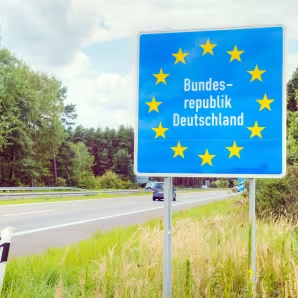
Germany's reinstatement of border controls with its nine neighbors runs the risk of creating a chain reaction, with other EU Member States following suit. In the process, this go-it-alone approach could pose a serious threat to the Schengen free movement zone as well as put the common European asylum system at risk, as this MPI Europe commentary explains.
Supporting Volunteer Engagement in Sponsorship and Complementary Pathways for Refugees and Other People in Need of International Protection
Volunteers are vital to refugee sponsorship programmes but need clear coordination, targeted training, and diverse recruitment to deliver quality support and prevent burnout.

The End of Asylum? Evolving the Protection System to Meet 21st Century Challenges
Territorial asylum is increasingly inadequate to meet 21st-century protection needs. A diversified policy toolkit, including regional cooperation, expanded legal pathways, and streamlined procedures, is urgently needed.

Bridging the Gap between the Gig Economy and Migration Policy
Gig economy growth has outpaced migration policy. Visa frameworks built for traditional employment leave platform workers without protections or legal pathways, requiring the need to bridge the gap.

The State of Global Mobility in the Aftermath of the COVID-19 Pandemic
COVID-19 shut down global mobility during the first year of the pandemic. But 2022 saw a rapid rebound. This IOM-MPI report reveals shifting patterns post-pandemic, from Gulf labor flows to climate-driven displacement.

Competing for Talent: What Role Can Employment- and Skills-Based Mobility Projects Play?
Skills-based mobility projects face scale challenges. Better planning, private-sector buy-in, and longer timeframes are needed to match workers with jobs across borders.

Coordination Breakdown: The Impacts of COVID-19 on Migration in Europe
COVID-19 disrupted migration across Europe, exposing coordination failures. The EU Digital COVID Certificate offers a model for future crisis preparedness.
