Integration

All Content
Showing 381–390 of 1207 results
Unauthorized Immigrants in the United States: Stable Numbers, Changing Origins
As of 2018, the unauthorized immigrant population in the United States held at 11 million, with origins shifting away from Mexico toward Asia and Central America.
The Role of Immigrant Health-Care Professionals in the United States during the Pandemic
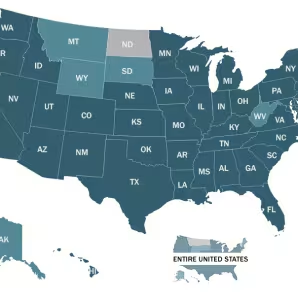
With the U.S. health-care system buckling under the resurgent COVID-19 outbreak, policymakers could undertake efforts to enable skilled, underemployed international health-care professionals to practice. This would both make the health system more resilient and flexible, as well as introduce critical language and cultural skills important during the contact-tracing and vaccine rollout phases of the pandemic response, as this commentary explores.

Anticipated “Chilling Effects” of the Public-Charge Rule Are Real: Census Data Reflect Steep Decline in Benefits Use by Immigrant Families
Researchers, service providers, and others have long predicted that sweeping revisions by the Trump administration to the definition of who constitutes a public charge would deter large numbers of immigrant-led households from using federal means-tested public benefits for which they are eligible. Recently released Census Bureau data show they were right: During the administration's first three years, program participation declined twice as fast among noncitizens as citizens.
How the Fear of Immigration Enforcement Affects the Mental Health of Latino Youth
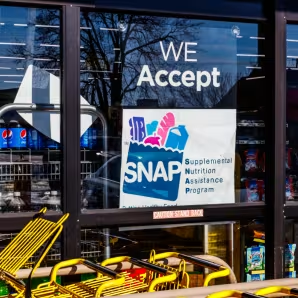
The prevalence of mental-health symptoms among Latino high school students, immigrant and U.S. born alike, is closely related to their fears of immigration enforcement. And the situation may have worsened since the researchers sampled this population, given the COVID-19 pandemic and associated economic hardship have increased the stress on Latino communities that have been hit disproportionately hard, as this commentary explores.

Welfare States and Migration: How will the pandemic reshape a complex relationship?
This MPI Europe webinar reflects on the implications of this current moment for European economies and societies and the role of immigration and immigrant integration policy, and highlights research from the European Commission’s Joint Research Centre on the fiscal and demographic impacts of migration.

The Post-Pandemic Ascent: The Role of Migration in Emerging from the Economic and Labor Market Turmoil
This discussion with MPI and the Organisation for Economic Cooperation and Development (OECD) examines the impact of the coronavirus on migration and mobility systems, and highlights findings from OECD’s International Migration Outlook 2020 on recent developments in migration movements and policies.

Mexican Immigrants in the United States
Even after a sizeable decline following the Great Recession, Mexicans remain the largest immigrant in the United States. They face higher rates of poverty and lower health insurance coverage than immigrants overall.

Building Welcome from the Ground up: European small and rural communities engaging in refugee resettlement
Small and rural European communities are increasingly resettling refugees and can do so successfully with tailored support and sustained coordination with national programmes.

Immigration Data Matters
This useful resource collects in one place some of the top and most authoritative sources for often-sought U.S. and international data on immigrants and immigration trends.

COVID-19, the Withdrawal Agreement and Citizens' Rights: No time to waste
This webinar explores how governments’ implementation plans for the Brexit withdrawal agreement have been affected by COVID-19, and the potential implications on citizens’ rights at the end of the transition period and beyond. Among the topics covered: which populations are most at risk at the intersection between Brexit and the pandemic and what contingency measures might mitigate these vulnerabilities and keep implementation timelines on track.
