Research


Explore All Research
Showing 91–100 of 1123 results
Immigrants and the U.S. Economy
The question of whether immigration represents a net cost or a net benefit to the U.S. economy has been a major source of contention. Research finds that, on balance, it is a net positive.

Immigrants and Crime in the United States
A significant and growing body of research at U.S., state, and local levels demonstrates that immigrants commit crimes at lower rates than the U.S.-born population.

Who Are Immigrants in the United States?
With immigration a central focus in U.S. public and policy conversations, this explainer answers key questions about the characteristics of the foreign-born population.

With New Strategies At and Beyond the U.S. Border, Migrant Encounters Plunge
Encounters of migrants at the U.S.-Mexico border for fiscal 2024 fell to 2.1 million, a 14 percent drop from the prior year as the result of the Biden administration deepening its carrot-and-stick approach alongside increased immigration enforcement throughout the Western Hemisphere, especially from Mexico. September represented the lowest monthly encounters of migrants crossing the U.S.-Mexico border without authorization seen during this administration.

Noncitizen Voting in U.S. Elections
Get answers to common questions about voting by unauthorized immigrants and other noncitizens, which audits by elections officials and independent research have demonstrated is extremely rare.

Public Opinion of Climate Migrants: Understanding What Factors Trigger Anxiety or Support
Public support for climate migrants is fragile and can decline when movement seems unmanaged, permanent, or likely to strain climate-affected host communities.

The Role of Immigrant Workers in the Green Transition
Immigrant workers are central to the green transition, but migration and climate policies rarely align. Coordination, credential recognition, and skills investment are needed.

Germany, and Maybe the European Union, Are at a Migration Crossroads
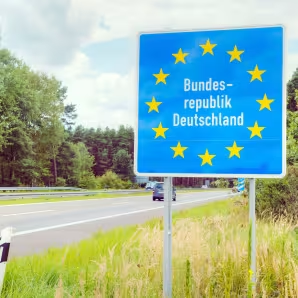
Germany's reinstatement of border controls with its nine neighbors runs the risk of creating a chain reaction, with other EU Member States following suit. In the process, this go-it-alone approach could pose a serious threat to the Schengen free movement zone as well as put the common European asylum system at risk, as this MPI Europe commentary explains.
Displacement and International Protection in a Warming World
Climate-related displacement often falls outside humanitarian protection rules. Governments should consider humanitarian visas, flexible status, and more accessible mobility pathways to address this displacement.

Approaches to Matching in Sponsorship and Complementary Pathways for Refugees and Other People in Need of International Protection
Effective refugee sponsorship matching balances beneficiary preferences, community capacity, and digital tools—but demands robust data collection and monitoring.