Beyond Asylum: Rethinking Protection Policies to Meet Sharply Escalating Needs (Transatlantic Council Statement)
Record-high displacement reveals territorial asylum's limits, demanding early investment in host communities, wider legal pathways, and efficient adjudication systems.
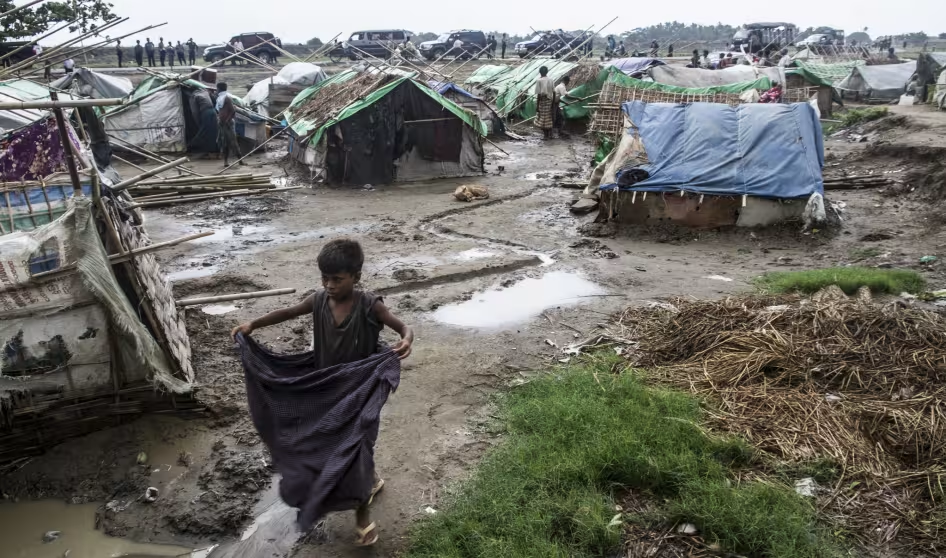
There is a growing recognition among policymakers and humanitarian actors alike that the global refugee system is failing both those it was designed to protect and the communities providing protection. With global forced displacement at levels unseen since World War II—and more than half of refugees under the mandate of the UN High Commissioner for Refugees (UNHCR) in protracted displacement situations of five years or more—it has become clear that current protection mechanisms are not offering effective and efficient access to refuge for those in need.
In December 2014, MPI's Transatlantic Council on Migration convened its thirteenth plenary meeting in Brussels to examine these growing strains on the global protection system. The Council’s deliberations highlighted the need for both national governments and international actors to respond proactively to instability and the inevitable displacement as it occurs, and to look beyond the traditional instrument of territorial asylum.
At the meeting, participants identified three primary policy goals for moving beyond the traditional care-and-maintenance model of protection: invest in sustainable livelihoods and better living conditions for both refugees and host communities in the crisis region; widen legal channels for protection and consider alternative ways for refugees to submit claims or move onward; and build fair and efficient asylum adjudication, reception, and return policies. The pursuit of these goals can facilitate the development of an innovative, comprehensive protection system to better meet the needs of today's refugees and host communities.
Table of Contents
I. The Modern Refugee Protection System: Stretched Beyond its Limits?
II. Looking Beyond Asylum: The Building Blocks of a Comprehensive Protection Strategy
III. Conclusions: Concrete Steps to Implementing a More Comprehensive Protection Policy
About the Transatlantic Council on Migration
Through rigorous research, high-level convenings, and tailored policy advice, the Council provides policymakers with essential analysis and cutting-edge policy recommendations to help tackle the most vexing policy questions.
About the Global Program
The Global Program bridges policy advice, research, and candid dialogue to design effective migration policies, drawing on global evidence and anticipating the forces reshaping how people move.