Social Cohesion & Identity
All Content
Showing 111–120 of 295 results
Enhancing the Social and Economic Inclusion of Refugees through Local Development Strategies
This discussion explores how development and humanitarian actors in low- and middle-income countries can engage with local institutions to promote the social and economic inclusion of refugees and how this inclusion can enhance engagement with other traditionally marginalized groups.

A Warm Welcome for Some: Israel Embraces Immigration of Jewish Diaspora, Sharply Restricts Labor Migrants and Asylum Seekers
Israel's two-tier immigration system grants full citizenship to Jewish diaspora members while offering labor migrants no legal pathway to stay and asylum seekers virtually no protection.

Vulnerable to COVID-19 and in Frontline Jobs, Immigrants Are Mostly Shut Out of U.S. Relief
Immigrants powered the U.S. frontline pandemic response but faced disproportionate health and economic risks and were largely excluded from federal COVID-19 relief efforts.

La Bienvenida Se Agota para Colombianos en Ecuador Mientras Venezolanos Se Hacen Más Visibles
Las décadas de conflicto en Colombia dejaron a cientos de miles de personas varadas en Ecuador; la mayoría no ve ninguna posibilidad de volver a casa.

Welcome Wears Thin for Colombians in Ecuador as Venezuelans Become More Visible
Colombia's decades of conflict left hundreds of thousands stranded in Ecuador; most see no path home.

Beyond Work: Reducing Social Isolation for Refugee Women and Other Marginalized Newcomers
Newcomers not in the workplace are at heightened risk for social isolation. Investment in economic empowerment, volunteering, and nonwork programs can combat social isolation.
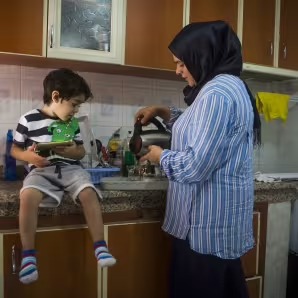
Rebuilding Community after Crisis: Striking a New Social Contract for Diverse Societies (Transatlantic Council Statement)
This Transatlantic Council Statement urges a new social contract on economic inclusion, housing, cohesion, and values to rebuild following migration crises.

Integrating Refugees and Asylum Seekers into the German Economy and Society: Empirical Evidence and Policy Objectives
Survey data show Germany's refugees are integrating slightly faster than prior cohorts, but gender gaps, legal uncertainty, and policy tradeoffs persist.

Dependent on Remittances, Tajikistan’s Long-Term Prospects for Economic Growth and Poverty Reduction Remain Dim
More than 1 million Tajiks work abroad annually, mostly in Russia, sending valuable remittances. Still, deep structural vulnerabilities remain for Tajikistan's economic future.

Volunteers and Sponsors: A Catalyst for Refugee Integration?
Volunteers and sponsors can powerfully complement refugee integration services, but effective engagement requires dedicated funding, training, and policy support.
