Economy
All Content
Showing 41–50 of 223 results
Labour Shortages during the Pandemic and Beyond: What role can immigration policy play?
As European countries seek to revive their economies in the wake of the COVID-19 pandemic, acute labor shortages in a variety of sectors risk stopping the recovery in its tracks. This commentary explores why these shortages are emerging and how immigration policy can form one part of the broader strategy to meet labor market needs.
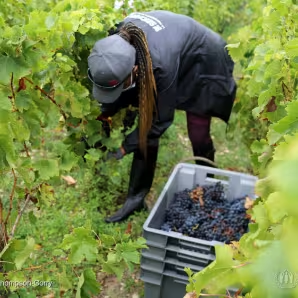
Haitian Migration through the Americas: A Decade in the Making
Haitian migration to the U.S. border reflects a decade of hemispheric movement shaped by the 2010 earthquake, shifting host-country policies, and racial discrimination.

Immigrants’ U.S. Labor Market Disadvantage in the COVID-19 Economy: The Role of Geography and Industries of Employment
Immigrants faced steeper labor losses than U.S.-born workers during the COVID-19 pandemic, driven by concentration in high-risk industries and geographic clusters hit hardest.

‘Diversifying’ Social Investment: European welfare states and immigrant integration in the wake of the COVID-19 crisis
COVID-19 exposed deep welfare gaps for migrants in Europe. Diversifying social investment with tailored, needs-based support can advance integration outcomes and social cohesion.

Labour Migration Governance in West Africa in the Wake of the Pandemic
This webinar explored the importance of labor migration for West Africa, related Ghanaian and Senegalese policies, and how development agencies can help maximize labor migration's development benefits.
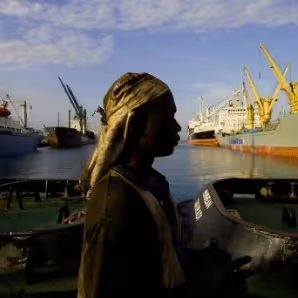
Taking the Long View: Options for inclusive post-pandemic labor markets
Migrants in Europe bore outsized COVID-19 job losses. Entrepreneurship, social economy pathways, and employment services reform can support a more inclusive recovery.

Deepening Labor Migration Governance at a Time of Immobility: Lessons from Ghana and Senegal
COVID-19 stalled labor migration governance reforms in Ghana and Senegal but created new openings for bilateral and regional cooperation on mobility.

Integración socioeconómica de los migrantes y refugiados venezolanos: Los casos de Brasil, Chile, Colombia, Ecuador y Perú
A junio de 2021, más del 70 por ciento de los 5.6 millones de venezolanos en el exterior vivían en cinco países sudamericanos, con barreras de informalidad y credenciales.

Socioeconomic Integration of Venezuelan Migrants and Refugees: The Cases of Brazil, Chile, Colombia, Ecuador, and Peru
As of mid-2021, five South American countries hosted more than 70 percent of the 5.6 million Venezuelans living abroad. Informality and credential barriers hindered integration.
Brain Waste among Highly Skilled Immigrants in the United States: A Persistent Problem with Increasing Costs
Experts discuss findings from a report examining the underemployment of college graduates in the United States and explore the promising strategies that exist to mitigate this brain waste for the benefit of the U.S. economy.