Integration

All Content
Showing 1081–1090 of 1209 results
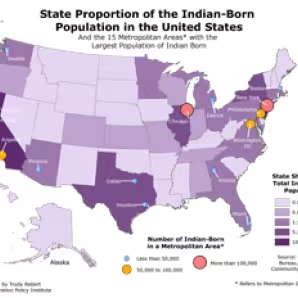
Indian Immigrants in the United States
In 2006, nearly three-quarters of Indian-born adults in the United States held a bachelor's degree or higher.
Hometown Associations: An Untapped Resource for Immigrant Integration?
Hometown associations connect origin and destination communities and could strengthen immigrant integration if their capacity is supported.

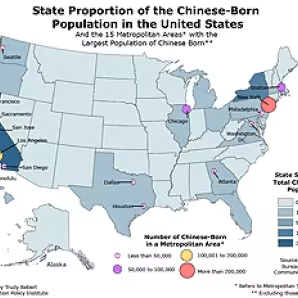
Chinese Immigrants in the United States in 2006
In 2006, Chinese-born immigrants were the largest asylee group in the United States.
Immigrants in the U.S. Armed Forces in 2008
Immigrants from the Philippines made up 22.8 percent of all foreign-born U.S. service members in February 2008, the largest national-origin share, ahead of Mexico at 9.5 percent.
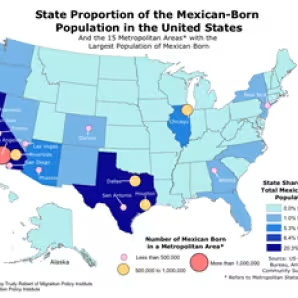
Mexican Immigrants in the United States
Mexican immigrants were the largest U.S. immigrant group in 2006, yet only 21.7 percent had naturalized, less than among all foreign-born adults.
The Complexities of Immigration: Why Western Countries Struggle with Immigration Politics and Policies
Global migration more than doubled between 1970 and 2002, and Western governments face ideological tensions on both the left and right that block effective policymaking.
A New Citizenship Bargain for the Age of Mobility? Citizenship Requirements in Europe and North America
Tightened language and civics requirements since 2000 risk deterring naturalization applicants in Europe and North America rather than supporting integration.
Dual Citizenship in the Age of Mobility
More than half of all countries globally now tolerate dual citizenship, which authors argue can boost naturalization, broaden participation, and support immigrant integration.
Local Voting Rights for Non-Nationals in Europe: What We Know and What We Need to Learn
In 2008, 17 European states had extended local voting rights to non-nationals, with evidence suggesting such rights support rather than undermine naturalization.
Los Angeles on the Leading Edge: Immigrant Integration Indicators and their Policy Implications
Immigrants in Los Angeles face persistent labor market, language, and health-care integration gaps that call for more proactive policy across the public and private sectors.