Immigration Systems

All Content
Showing 351–360 of 1266 results
The Integration of Immigrant Health Professionals: Looking beyond the COVID-19 Crisis
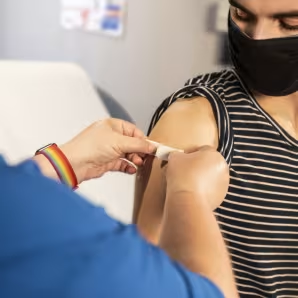
In 2019, about 270,000 immigrant and refugee health professionals in the United States were underemployed. This brief examines barriers and reforms to better tap their skills.
European Strategy on Voluntary Return and Reintegration Advances Action within Bloc, Leaves More to Discuss with Countries of Migrant Origin
The European Commission's strategy on voluntary return and reintegration for migrants covers a lot of ground, including new coordination efforts across EU Member States. Yet one of its most significant developments is the recognition that countries of migrant origin must be consulted and play a key role in reintegration if these efforts are to be impactful and sustainable, as this commentary explains.

¿Qué sigue ahora luego de que Colombia haya dado un paso histórico en materia de migración?
El anuncio del presidente de Colombia que los estimados 1,7 millones de migrantes venezolanos recibirán un estatus de protección temporal migratoria por un periodo de diez años representa un hecho valiente y sin precedentes en América Latina. El reto que sigue será el de poder materializar este esfuerzo en una política pública que abogue por un proceso de cohesión social en el país.

Hampered by the Pandemic: Unaccompanied Child Arrivals Increase as Earlier Preparedness Shortfalls Limit the Response
The increase in unaccompanied child arrivals at the U.S.-Mexico border in February and March has led to backups and overcrowding at U.S. Customs and Border Protection facilities ill-suited to house children, in part due to earlier significant reductions in Office of Refugee Resettlement shelter capacity during 2020. This commentary explores preparedness shortfalls and the options the Biden administration has moving forward.
Frequently Requested Statistics on Immigrants and Immigration in the United States
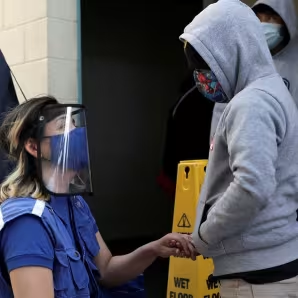
This data compendium offers statistics on some of the key questions around immigration and immigrants in the United States, who numbered 44.9 million in 2019.

Prospects for a U.S. Legalization Program and the Unauthorized Immigrant Groups that Could Factor in the Debate
In light of President Biden's call on Congress to enact a sweeping immigration proposal that offers most unauthorized immigrants a pathway to citizenship, this discussion takes stock of various legalization options; unveils MPI estimates of subgroups within the unauthorized population, including DREAMers and essential workers; and examines the prospects of bipartisan support for any legislative efforts at immigration reform.
Back on the Table: U.S. Legalization and the Unauthorized Immigrant Groups that Could Factor in the Debate
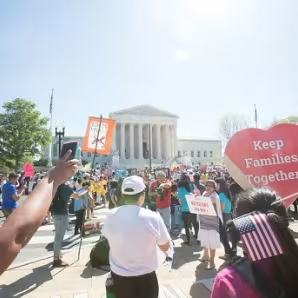
With 11 million unauthorized immigrants embedded in U.S. communities, there are legislative and executive options for policymakers to consider to offer durable legal status.

COVID-19 and the Demand for Labor and Skills in Europe: Early evidence and implications for migration policy
This brief analyzes how COVID-19 is reshaping European labour markets and what this means for skills investment and migration policy now and in the future.

What Comes Next Now that Colombia Has Taken a Historic Step on Migration?
Colombian President Iván Duque’s announcement that the estimated 1.7 million Venezuelans in Colombia will receive a ten-year protection status represents a bold, first-of-its-kind move in Latin America. However, translating this ambitious legalization into action will require both a massive logistical effort and long-term planning to assure social cohesion, as this commentary explores.

A Deeper Look at the DREAMers Who Could Feature in the Legalization Debate in Congress
The DREAM Act of 2021 could represent one of the narrower legalization measures with better prospects for passage in a narrowly divided Congress. MPI's latest estimates of the DREAMers who could gain conditional and then permanent legal status are offered here, as are the share of DREAMers who feature in another ongoing conversation, around essential workers in the U.S. labor market overall as well as in the health-care sector.
