Research


Explore All Research
Showing 301–310 of 1123 results
Immigrant and U.S.-Born Parents of Young and Elementary-School-Age Children: Key Sociodemographic Characteristics
Drawing on analysis of Census Bureau data, this fact sheet shows immigrant parents of young children face disproportionate barriers in education, income, English, and digital access.

The Integration of Immigrant Health Professionals: Looking beyond the COVID-19 Crisis
In 2019, about 270,000 immigrant and refugee health professionals in the United States were underemployed. This brief examines barriers and reforms to better tap their skills.

European Strategy on Voluntary Return and Reintegration Advances Action within Bloc, Leaves More to Discuss with Countries of Migrant Origin
The European Commission's strategy on voluntary return and reintegration for migrants covers a lot of ground, including new coordination efforts across EU Member States. Yet one of its most significant developments is the recognition that countries of migrant origin must be consulted and play a key role in reintegration if these efforts are to be impactful and sustainable, as this commentary explains.

A Bridge to Firmer Ground: Learning from International Experiences to Support Pathways to Solutions in the Syrian Refugee Context
This report draws on international cases to highlight models that could expand Syrian refugees’ access to protection, social safety nets, and education.

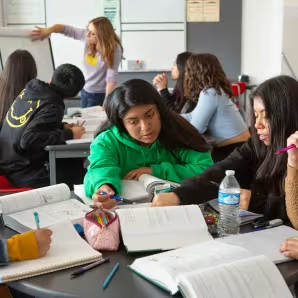
Funding English Learner Education: Making the Most of Policy and Budget Levers
Equitable education for English Learners requires using federal, state, and local budget levers; federal Title III funds alone do not suffice to meet schools’ civil-rights obligations.
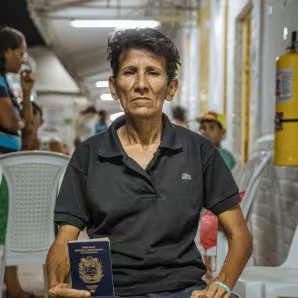
¿Qué sigue ahora luego de que Colombia haya dado un paso histórico en materia de migración?
El anuncio del presidente de Colombia que los estimados 1,7 millones de migrantes venezolanos recibirán un estatus de protección temporal migratoria por un periodo de diez años representa un hecho valiente y sin precedentes en América Latina. El reto que sigue será el de poder materializar este esfuerzo en una política pública que abogue por un proceso de cohesión social en el país.
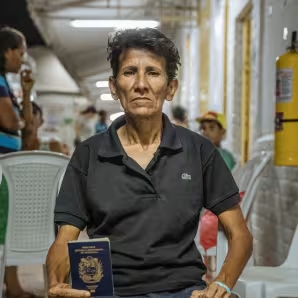
Hampered by the Pandemic: Unaccompanied Child Arrivals Increase as Earlier Preparedness Shortfalls Limit the Response
The increase in unaccompanied child arrivals at the U.S.-Mexico border in February and March has led to backups and overcrowding at U.S. Customs and Border Protection facilities ill-suited to house children, in part due to earlier significant reductions in Office of Refugee Resettlement shelter capacity during 2020. This commentary explores preparedness shortfalls and the options the Biden administration has moving forward.
Back on the Table: U.S. Legalization and the Unauthorized Immigrant Groups that Could Factor in the Debate
With 11 million unauthorized immigrants embedded in U.S. communities, there are legislative and executive options for policymakers to consider to offer durable legal status.

COVID-19 and the Demand for Labor and Skills in Europe: Early evidence and implications for migration policy
This brief analyzes how COVID-19 is reshaping European labour markets and what this means for skills investment and migration policy now and in the future.

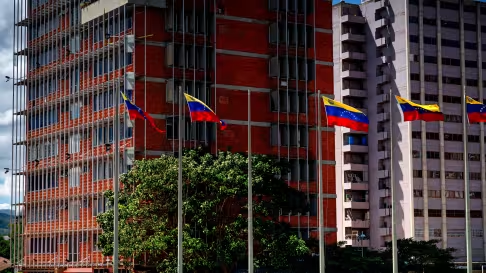
What Comes Next Now that Colombia Has Taken a Historic Step on Migration?
Colombian President Iván Duque’s announcement that the estimated 1.7 million Venezuelans in Colombia will receive a ten-year protection status represents a bold, first-of-its-kind move in Latin America. However, translating this ambitious legalization into action will require both a massive logistical effort and long-term planning to assure social cohesion, as this commentary explores.