Research Publications
Showing 121–130 of 918 results
The Skills and Economic Outcomes of Immigrant and U.S.-Born College Graduates
Immigrant college graduates match or exceed U.S.-born peers economically, yet the skills of one-fifth of them are underutilized. The gap can be closed with English skills training and credential reform.
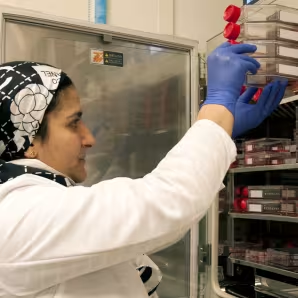
Financing Responses to Climate Migration: The Unique Role of Multilateral Development Banks
Multilateral development banks are uniquely positioned to finance climate migration responses but must build knowledge, data, and partnerships to act effectively at scale.

A Profile of Low-Income Immigrants in the United States
In 2019, nearly 15 million U.S. immigrants were low income and had higher uninsured rates and lower public benefits use than their U.S.-born counterparts at similar income levels.
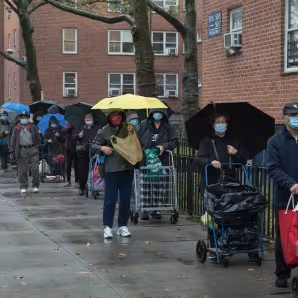
Reassessing Recruitment Costs in a Changing World of Labor Migration
COVID-19 raised migrant workers' recruitment costs via new testing, travel, and quarantine rules, exposing regulatory gaps and the need for broader worker protections.

Promoting Evidence-Informed Immigrant Integration Policymaking
Migrant integration lags other fields in use of evidence to inform policymaking and programming. Five strategies can help EU and national policymakers build a stronger, more data-driven integration culture.

Overlooked but Essential: Language Access in Early Childhood Programs
Weak mandates and poor data collection leave millions of Limited English Proficient (LEP) families underserved in U.S. early childhood programs, despite federal civil rights requirements.

Dual Language Learners: Key Characteristics and Considerations for Early Childhood Programs
One-third of U.S. children ages 0–5 are Dual Language Learners. Fact sheets offered here examine DLL populations for the 25 largest states.

Rebooting the Asylum System? The Role of Digital Tools in International Protection
COVID-19 accelerated digital innovation across asylum systems. Six key lenses reveal both the promise and significant risks of using technology in humanitarian protection systems.

Diverging Pathways: Immigrants’ Legal Status and Access to Postsecondary Credentials
Most of the nearly 24 million U.S. immigrants lacking credentials in 2019 had legal status and Pell Grant eligibility; unauthorized immigrants were barred from federal education support.

Changing the Playbook: Immigrants and the COVID-19 Response in Two U.S. Communities
Immigrants in Nashville and the San Francisco Bay area served in essential COVID-19 roles while community groups bridged health gaps and pushed for foreign-born access to pandemic relief.