North America
All Content
Showing 571–580 of 1954 results
A Bumpy Path to U.S. Citizenship: A Survey of Changing USCIS Practices
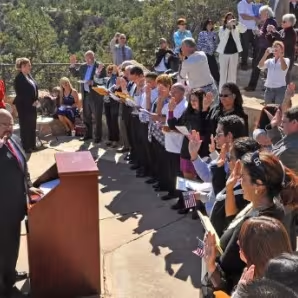
Marking the launch of MPI report on USCIS’s evolving procedures for handling citizenship applications, this webinar focuses on the findings from a national survey of naturalization assistance providers. The discussion also examines the increasing obstacles to citizenship, and the effects the pandemic-related shutdown and USCIS financial turmoil could have on the ability of would-be Americans to take the oath of citizenship.
Filipino Immigrants in the United States
Just over 2 million Filipino immigrants lived in the United States as of 2019, with median household incomes of $93,000 and high educational attainment rates.

A Rockier Road to U.S. Citizenship? Findings of a Survey on Changing Naturalization Procedures
A 2019 survey found stricter USCIS scrutiny, rising naturalization processing times, and proposed fee hikes made U.S. citizenship harder for immigrants to attain.

Brain Waste among U.S. Immigrants with Health Degrees: A Multi-State Profile
Some 263,000 immigrants with health degrees are underutilized due to licensing barriers—an untapped U.S. workforce that could help address COVID-19-era health-care shortages.

Dismantling and Reconstructing the U.S. Immigration System: A Catalog of Changes under the Trump Presidency
The Trump administration took more than 400 immigration executive actions during its first term, curtailing legal and unauthorized immigration and dismantling humanitarian protections.

Millions of U.S. Citizens Could Be Excluded under Trump Plan to Remove Unauthorized Immigrants from Census Data
The Trump administration's plan to exclude unauthorized immigrants from the 2020 Census data used to reapportion 435 congressional seats among the 50 states could misclassify as many as 20 million U.S. citizens, as the result of expected data-matching errors. The effects of this exclusion could be most pronounced in low-income urban and rural communities, reducing their voting power relative to more affluent ones, as this commentary explains.

As #DefundThePolice Movement Gains Steam, Immigration Enforcement Spending and Practices Attract Scrutiny
U.S. immigration enforcement spending outpaces all major federal criminal agencies combined, but accountability, oversight, and transparency have not kept pace with the dramatic growth.

Mientras Crece el Movimiento para Desfinanciar a la Policía en EUA, el Gasto y las Prácticas de las Autoridades de Inmigración también se Someten a Escrutinio
El gasto en control de la inmigración en EE. UU. supera al de todas las principales agencias federales de lucha contra la delincuencia juntas, pero la rendición de cuentas, la supervisión y la transparencia no han avanzado al mismo ritmo que su espectacular crecimiento.

Addressing Equity Concerns for English Learners: Where Do Native Language Assessments Fit In?
This webchat marks the release of a report examining the role native language assessments play in addressing equity concerns for English Learner (EL) students. The conversation offers participants an introduction to the key policy and practical considerations in the implementation of these assessments, particularly in a time of pandemic-induced disruptions for schools and looming budget cuts.

Cuban Immigrants in the United States
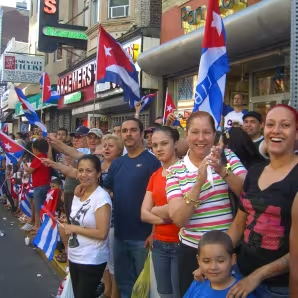
Cuban immigrants in the United States remain a distinct foreign-born group shaped by decades of preferential U.S. policy forged during the Cold War.