Asia & the Pacific
All Content
Showing 131–140 of 394 results
New Approaches to Climate Change and Migration: Building the Adaptive Capacity of Mobile Populations
As climate change intensifies displacement, new policy frameworks are needed to build the adaptive capacity of mobile populations and fill shortcomings in governance.

Immigration Data Matters
This useful resource collects in one place some of the top and most authoritative sources for often-sought U.S. and international data on immigrants and immigration trends.

Managing the Pandemic and Its Aftermath: Economies, Jobs, and International Migration in the Age of COVID-19
Global migration fell 46 percent in the first half of 2020. This report examines the COVID-19 pandemic's economic toll on migration systems and paths toward recovery.

Climate Impacts as Drivers of Migration
Climate change is already driving migration—mostly within countries’ borders. But evidence shows it compounds other factors rather than acting alone.
Indian Immigrants in the United States
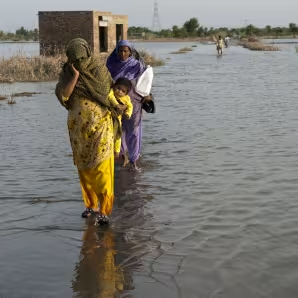
Indian immigrants tend to be highly educated—79 percent held a bachelor’s degree as of 2019, compared to 33 percent of the U.S. born.

Australia and the ‘Biosecure Border’ in the Age of COVID-19
What can Australia’s biosecure border teach the world about quarantine, border control, and pandemic travel policy?

Gaps in India’s Treatment of Refugees and Vulnerable Internal Migrants Are Exposed by the Pandemic
India's COVID-19 lockdown exposed deep policy challenges for millions of internal migrants and 250,000 refugees and asylum seekers.

Filipino Immigrants in the United States
Just over 2 million Filipino immigrants lived in the United States as of 2019, with median household incomes of $93,000 and high educational attainment rates.

COVID-19 Pandemic Profoundly Affects Bangladeshi Workers Abroad with Consequences for Origin Communities
The 4.2 million Bangladeshi workers in the Gulf—and the families who depend on them—faced severe hardship as COVID-19 triggered mass job loss, deportations, and falling remittances.
Climate Change, Displacement, and Managed Retreat in Coastal India
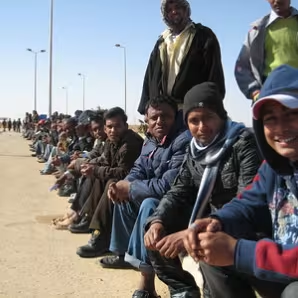
India's 170 million coastal residents face increasing displacement from sea-level rise and erosion, yet national policy lags far behind.
