Externalization
All Content
Showing 11–20 of 38 results
Top 10 Migration Issues of 2023
In 2023, migration was shaped by the lasting effects of earlier shocks, along with uneven economic recovery, new labor needs, and ongoing displacement crises.

One Phase Closes for the New Pact on Migration and Asylum. Now Another Begins
The New Pact on Migration and Asylum agreed in December 2023 by EU Member States and the European Parliament after lengthy negotiation will, without a doubt, go down in history as a signal political accomplishment. But will it result in better management of migration and asylum systems in a complex era? The outcome will turn on implementation and communication, this MPI Europe commentary explains.

The World’s Leading Refugee Host, Turkey Has a Complex Migration History
The world's top refugee host, Turkey has navigated a complex migration history, while occasionally wielding its role as EU buffer for political leverage.

Can the Biden Immigration Playbook Be Effective for Managing Arrivals via Sea?
Caribbean maritime arrivals to the United States hit the highest levels since the 1990s; the Biden administration is betting on legal pathways and regional cooperation to curb dangerous sea crossings.

As Nauru Shows, Asylum Outsourcing Has Unexpected Impacts on Host Communities
Australia's multibillion-dollar asylum outsourcing deal transformed Nauru's economy, but research shows the arrangement damaged local communities and subjected refugees to severe psychological harm.

Tense Neighbors, Algeria and Morocco Have Divergent Migration Histories
Algeria and Morocco share a border and mutual desire to curb irregular migration, but their sharply divergent diaspora policies, EU ties, and bilateral rivalry keep cooperation out of reach.

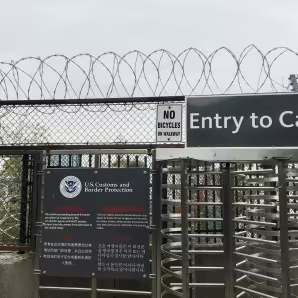
Roxham Road Meets a Dead End? U.S.-Canada Safe Third Country Agreement Is Revised
The revised U.S.-Canada Safe Third Country Agreement closed the Roxham Road loophole but raises serious safety concerns and signals a broader U.S. shift toward externalizing asylum responsibility.
External Processing: A Tool to Expand Protection or Further Restrict Territorial Asylum?
External processing can widen or narrow asylum access; whether it protects or deters hinges on design, procedural safeguards, and international cooperation.

‘Recalcitrant’ and ‘Uncooperative’: Why Some Countries Refuse to Accept Return of Their Deportees
Various factors lead countries to resist accepting the return of their deported nationals, leading to lower than expected return rates from the United States and European Union.

Rise in Maritime Migration to the United States Is a Reminder of Chapters Past
Caribbean maritime migration to the United States has surged to 1990s-level highs, driven by crises in Haiti and Cuba and constrained legal pathways.