U.S. Immigrant Population Spotlights
Showing 61–70 of 277 results
Korean Immigrants in the United States
The number of Korean immigrants in the United States is shrinking, driven by aging, economic growth, and a demographic crunch in South Korea.

Frequently Requested Statistics on Immigrants and Immigration in the United States
This collection showcases some of the most frequently used data on immigrants and immigration to the United States around the time of the COVID-19 pandemic.

South American Immigrants in the United States
South America's 3.4 million U.S. immigrants as of 2019 are part of a growing and diversifying population, driven by Venezuela's crisis and economic pressures.

Middle Eastern and North African Immigrants in the United States
U.S. immigrants from the Middle East and North Africa tend to be highly educated but face high poverty rates and rely heavily on humanitarian and diversity visa pathways.

Naturalized Citizens in the United States
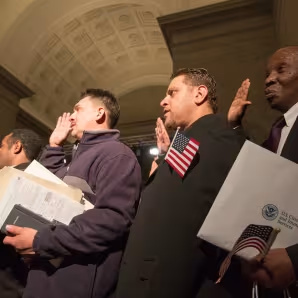
U.S. naturalization rates hit a decade low in fiscal year (FY) 2020, even as 9.1 million green-card holders were eligible to become U.S. citizens.
Vietnamese Immigrants in the United States
Vietnamese immigration to the United States is rooted in its refugee history. As of 2019, 1.4 million Vietnamese immigrants lived in the United States.

Inmigrantes centroamericanos en los Estados Unidos
Los 3.8 millones de inmigrantes centroamericanos que residían en Estados Unidos en 2019 provenían de tres países principales y estaban profundamente integrados en la población activa estadounidense.

Afghan Immigrants in the United States
Afghan immigrants in the United States are a fast-growing but economically vulnerable population, largely admitted through the visa program for those who aided the U.S. military.

Inmigrantes de la República Dominicana a los Estados Unidos
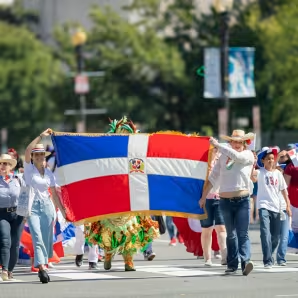
En 2019, casi 1.2 millones de inmigrantes dominicanos vivían en Estados Unidos, lo que constituye una comunidad en rápido crecimiento.
Central American Immigrants in the United States
The 3.8 million Central American immigrants in the United States as of 2019 were deeply embedded in the U.S. workforce.