All Articles
Showing 1211–1220 of 1434 results
The Hague Program Reflects New European Realities
Adopted in November 2004, the EU's Hague Program set a five-year migration and asylum agenda, but left legal immigration and integration largely to individual Member States.

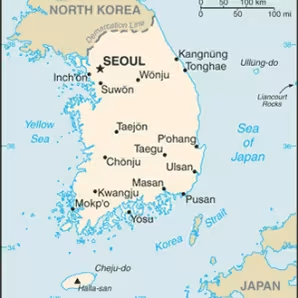
South Korea: Balancing Labor Demand with Strict Controls
Despite South Korea's economic demand for labor, strict controls and a preference for homogeneity drive unauthorized workers’ predominance in the foreign labor force.
The Global Tug-of-War for Health Care Workers
Growing demand in wealthy nations is accelerating health-worker emigration from sub-Saharan Africa and other developing regions, straining already weakened health systems.
How Remittances Help Migrant Families
Research on Philippine households shows favorable exchange rate shocks boosted remittances, raising school attendance and spurring entrepreneurial activity.
Elections Bring Policy Changes
Arizona voters passed Proposition 200 limiting immigrant access to public benefits, while U.S. President George W. Bush signaled support for guest worker legislation.
Immigrants and EU Labor Markets
Immigrants help fill Europe's labor shortages, but structural rigidities and distinct migration regimes require differentiated approaches.
The Foreign Born from Korea in the United States in 2000
Korean immigrants in the United States were likely to be naturalized than immigrants overall as of 2000.
Latino and Asian Voters in the 2004 Election and Beyond
Latino and Asian voting power was rising in the United States as of 2004, but lagged behind population growth; noncitizenship, low registration, and youth skewed the groups’ full electoral impact.
Immigration Reform Tied to Homeland Security Bill
Disagreements over intelligence and immigration provisions stalled a post-9/11 Homeland Security Bill before the November 2004 elections.
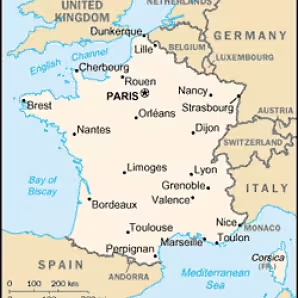
The Challenge of French Diversity
France's 2004 ban on religious symbols in public schools exposed tensions between secular traditions and integrating a growing immigrant population.