All Articles
Showing 1101–1110 of 1434 results
Senate Debate Resumes and DHS Boosts Internal Enforcement
The 2006 Hagel-Martinez immigration bill in the U.S. Senate proposed 325,000 annual temporary work visas and tiered legalization for unauthorized immigrants as of spring 2006.

American Immigration Reform from a Scandinavian Perspective
A Norwegian migration official argues the U.S. problem is unauthorized status—not numbers—and urges a managed, employer-driven work permit system with no cap on labor visas.

Another Way to Assess the Second Generation: Look at the Parents
Premigration class standing explains more than half of the second-generation college attainment gaps across 31 groups in the United States.
Immigration Reform and the Catholic Church
The Catholic Church became central to the 2006 U.S. immigration debate, mobilizing nearly 80 dioceses in support of comprehensive reform and opposing enforcement-only approaches.
Remittance Trends in Central America
Central America received $7.8 billion in remittances in 2004, a 17 percent increase over 2003.
Guatemala: Economic Migrants Replace Political Refugees
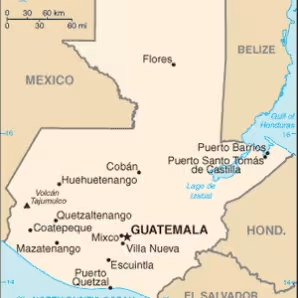
After the 1996 peace accords, Guatemala's emigration shifted from political to economic; by 2005, remittances topped $3 billion.
Senate Debates Temporary Worker Program and Path to Legal Status for the Unauthorized
A March 2006 U.S. Senate bill proposed 400,000 annual temporary work slots and legalization for unauthorized immigrants as hundreds of thousands rallied in support.
Canada: A Northern Refuge for Central Americans
Canada's humanitarian framing of Central American conflicts drove admission of nearly 21,000 refugees between 1982 and 1987.
Mexico: Caught Between the United States and Central America
Mexico deported more than 200,000 Central American migrants yearly in 2004 and 2005, while pushing to shape the U.S. immigration reform debate.
CAFTA: What Could It Mean for Migration?
Studies indicate the Central America Free Trade Agreement (CAFTA) could create more than 300,000 Central American jobs, but trade agreements alone appear unlikely to reverse established migration patterns.