All Articles
Showing 1091–1100 of 1434 results
Detailed Characteristics of the Caribbean Born in the United States in 2000
In 2000, nearly 3 million Caribbean-born individuals made up 9.5 percent of U.S. foreign born; Cubans were the largest group.

Debunking the Myth of Immigrant Criminality: Imprisonment Among First- and Second-Generation Young Men
In 2000, foreign-born men in the United States were imprisoned at one-quarter the rate of native-born men.
Europe: Population and Migration in 2005
Immigration drove nearly 85 percent of EU population growth in 2005.
Rethinking the Last 200 Years of U.S. Immigration Policy
Since colonial times, active recruitment, racial exclusions, and diplomacy shaped who entered the United States, well before the 1965 Immigration and Nationality Act.
The U.S.-Mexico Border
The U.S.-Mexico border region has poverty rates double the national average; migrant deaths hit a record 473 in FY 2005 as crossings shifted to Arizona's remote desert routes.
Sweden: Restrictive Immigration Policy and Multiculturalism
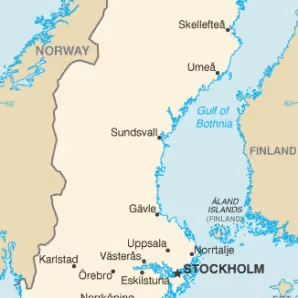
Sweden shifted from labor immigration in the 1950s and 1960s to refugee- and family-based flows by the 1970s; as of 2006, about 12 percent of its 9 million residents are foreign born.
Senate Approves Scaled-Back Immigration Bill, President Calls for National Guard on Border
The U.S. Senate passed a comprehensive immigration bill in May 2006 by a 62-36 vote, adding amendments to cap temporary workers at 200,000 annually and strengthen border fencing.
Spotlight on the Iranian Foreign Born
Shaped by the 1979 Islamic Revolution, the Iranian-born U.S. population of 283,000 in 2000 tended to be highly educated and high-earning, with over half living in California.
Detailed Characteristics of the South American Born in the United States in 2000
About 1.9 million South American born made up 6.2 percent of U.S. immigrants in 2000; Colombians were the largest of this group.
Burkina Faso: Testing the Tradition of Circular Migration
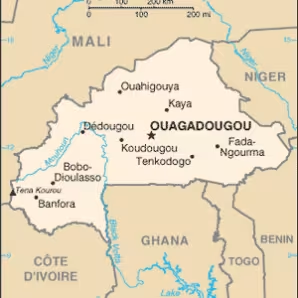
With one in five Burkinabè living abroad, the country's colonial-era migration patterns face new strains.