The Basics
We hope you will find the resources here useful as you seek to learn more about the phenomenon of international migration and some of the 281 million people globally who live outside their country of birth.




Showing 261–270 of 387 results
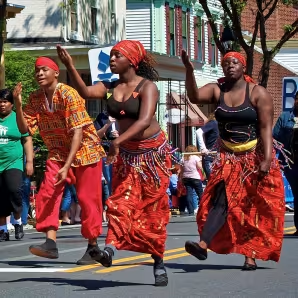
Sub-Saharan African Immigrants in the United States
Sub-Saharan African immigrants in the United States in 2013 tended to be highly educated, were predominantly of working age, and dispersed across the country.
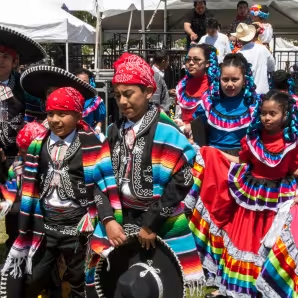
Mexican Immigrants in the United States
Mexican immigrants formed 28 percent of the U.S. foreign-born population in 2013.
Canadian Immigrants in the United States
Canadian immigrants in the United States in 2012 tended to be older, highly educated, and concentrated in high-skill jobs.

Vietnamese Immigrants in the United States
The U.S. Vietnamese immigrant population grew from about 231,000 in 1980 to nearly 1.3 million in 2012.

Immigrants from the Dominican Republic in the United States
In 2012, Dominican immigrants accounted for about 2 percent of the U.S. foreign-born population.

Haitian Immigrants in the United States
In 2012, Haitian immigrants in the United States were tightly clustered in a few metro areas along the East Coast.

Frequently Requested Statistics on Immigrants and Immigration in the United States
In 2012, the U.S. immigrant population reached a historical high of nearly 41 million.

Refugees and Asylees in the United States
In 2012, the United States authorized up to 76,000 refugee admissions and resettled 58,179.

Green-Card Holders and Legal Immigration to the United States
In 2012, more than 1 million people obtained lawful permanent resident status, with 53 percent arriving as status adjusters already in the United States.

Naturalization Trends in the United States
Naturalized immigrants in the United States had median household incomes exceeding that of the U.S. born in 2012.