Integration

All Content
Showing 671–680 of 1207 results
The Nutritional Health of Young Refugee Children Resettling in Washington State
Nearly half of young refugee children in Washington State were malnourished at resettlement, with programs needing to address both undernutrition and overnutrition.
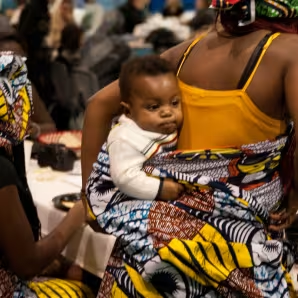
A Study of Pregnancy and Birth Outcomes among African-Born Women Living in Utah
African-born women in Utah had significantly higher perinatal complication rates than U.S.-born White peers, with nearly half receiving inadequate prenatal care.

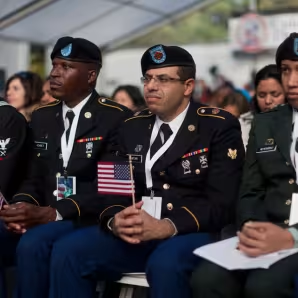
Immigrant Veterans in the United States in 2016
In 2016, immigrant veterans in the United States were more likely than native-born veterans to hold college degrees and reported higher average household incomes.
Integrating Refugees into Host Country Labor Markets: Challenges and Policy Options
Refugees have the worst employment outcomes of any immigrant group, a gap that takes over a decade to close without early, coordinated investment in skills and employment.
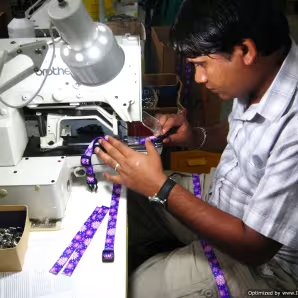
Moving Beyond Crisis: Germany’s New Approaches to Integrating Refugees into the Labor Market
Despite political commitment, oversubscribed language courses and a hard-to-penetrate vocational training system constrain refugee labor market integration in Germany.

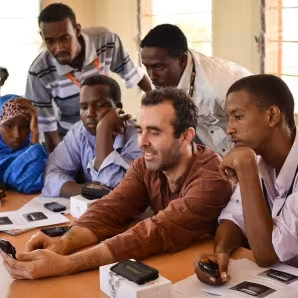
Digital Humanitarianism: How Tech Entrepreneurs Are Supporting Refugee Integration
Digital tools to support refugee integration have multiplied rapidly. Still, most are hampered by duplication, weak ties to mainstream services, and funding instability.
Immigration to the Heartland: A Profile of Immigrants in the Kansas City Region
The Kansas City region's immigrant population grew more than 300 percent between 1990 and 2015, with immigrants establishing deep roots and contributing broadly across industries.

Mental Health Risks and Resilience among Somali and Bhutanese Refugee Parents
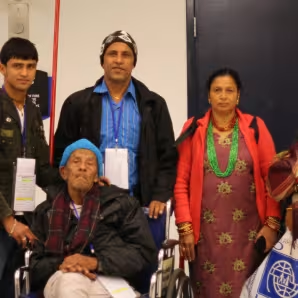
Somali and Bhutanese refugee parents show anxiety and depression similar to the U.S. general population, suggesting community support buffers the effects of pre-resettlement trauma.
Caribbean Immigrants in the United States
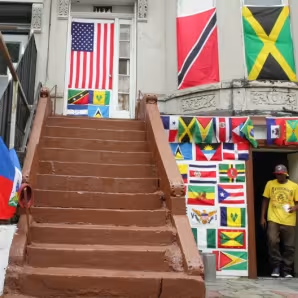
In 2014, approximately 4 million Caribbean immigrants lived in the United States; more than 90 percent came from Cuba, the Dominican Republic, Jamaica, Haiti, or Trinidad and Tobago.
13th Annual Immigration Law & Policy Conference
With issues of immigration policy very much at the forefront of the 2016 elections, this annual conference offers policy and legal analysis on key immigration topics facing the country and the incoming administration and Congress in 2017.