Immigration Systems

All Content
Showing 401–410 of 1266 results
Native Language Assessments for K-12 English Learners: Policy Considerations and State Practices
As of spring 2020, 31 states plus the District of Columbia offered native language assessments for K-12 English Learners. But uneven use and limited research leave policy gaps.

Measuring Up? Using monitoring and evaluation to make good on the promise of refugee sponsorship
COVID-19 disruptions offered policymakers a timely opening to build monitoring and evaluation systems to strengthen and scale refugee sponsorship programmes.

USCIS Budget Implosion Owes to Far More than the Pandemic
Citing coronavirus-related disruptions, U.S. Citizenship and Immigration Services urged Congress to provide $1.2 billion to address its severe budget shortfall. Without this emergency infusion, the agency warned it might have to furlough up to 80 percent of its staff by mid-July 2020. Yet a deeper look at USCIS operations shows it was facing serious budget problems long before the pandemic—ones that are the logical results of actions undertaken by the Trump administration.
The U.S. Stands Alone in Explicitly Basing Coronavirus-Linked Immigration Restrictions on Economic Grounds
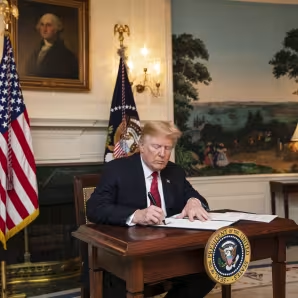
The United States became the first country to restrict legal immigration on economic—not health—grounds during COVID-19, with uncertain but far-reaching implications.
Under Lockdown Amid COVID-19 Pandemic, Europe Feels the Pinch from Slowed Intra-EU Labor Mobility
COVID-19 exposed the European Union’s reliance on mobile Eastern European workers—and the inequality that underpins intra-EU labor mobility.

European Cities on the Front Line: New and emerging governance models for migrant inclusion
Drawing on case studies from nine European cities, this report examines new local governance models for migrant inclusion and the challenges cities face in sustaining them.

The Rocky Road to a Mobile World after COVID-19
COVID-19 has chilled many forms of human movement, from travel to temporary and permanent migration, refugee resettlement, and returns, among them. While a safe restart of travel is a precondition for a return to economic and societal normalcy, restarting mobility will not be like flicking a switch, particularly amid disagreements over the costs societies can and should absorb in the name of protecting public health, as this commentary explains.

Vulnerable to COVID-19 and in Frontline Jobs, Immigrants Are Mostly Shut Out of U.S. Relief
Immigrants powered the U.S. frontline pandemic response but faced disproportionate health and economic risks and were largely excluded from federal COVID-19 relief efforts.

Immigration and the U.S.-Mexico Border during the Pandemic: A Conversation with Members of Congress
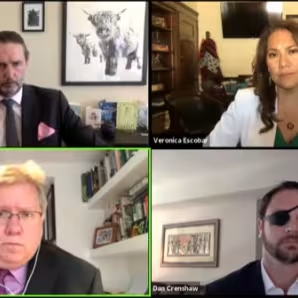
In this bipartisan discussion, two border-state members of Congress—Rep. Veronica Escobar and Rep. Dan Crenshaw—discuss the response to the coronavirus outbreak, how it is affecting the interconnected border region, and what the future might hold.
A Proxy War on Minorities? India Crafts Citizenship and Refugee Policies through the Lens of Religion
India's Citizenship Amendment Act uses immigration and refugee policy as a tool of religious division, with potentially severe consequences for social cohesion.
