Development

All Content
Showing 421–430 of 475 results
Migration and Development Issues: No Longer a Novelty in Policy Discussions
The European Union folded remittances, brain drain, and circular migration into policy in 2007, as the United States skipped a Global Forum attended by 155 countries.

Causes of South-South Migration and Its Socioeconomic Effects
South-South migrants gain a lower increase in wages than South-North migrants, yet many have no alternative but to move within the developing world.
South-South Migration and Remittances
In 2005, South-South migration and remittances rivaled South-North flows, while remittance costs remained especially high.
Variable Impacts: State-level Analysis of the Slowdown in the Growth of Remittances to Mexico
From 2003 to 2007, Mexico’s remittance slowdown hit core migrant-sending states hardest, with limited measurable labor-market effects.
Gaining from Migration: Towards a New Mobility System
The emerging global mobility system seeks to manage labor flows as a shared labor market while advancing migrant integration and development in Europe and partner countries.
Protecting Overseas Workers: Lessons and Cautions from the Philippines
An ambitious overseas worker protection system in the Philippines expands safeguards for migrants but also entails risks related to weak oversight, and fee-based financing.
Beyond Regional Circularity: The Emergence of an Ethiopian Diaspora
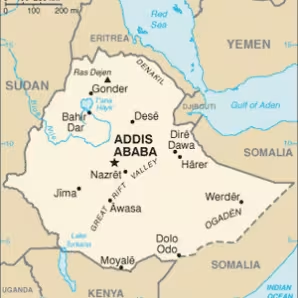
The 1974 Derg revolution transformed Ethiopia from a country of minimal emigration into a major refugee-producing state, giving rise to a global diaspora.
Leveraging Remittances for Development
Remittances to developing countries finance education, health, and small business while reducing poverty. Policies seeking to reduce transfer costs would promote these outcomes.
The Phenomenal Rise in Remittances to India: A Closer Look
India's remittances surged between 1990 and 2005 as economic liberalization and a growing high-skilled diaspora shifted flows from informal to formal channels.
Secondary Migration: Who Re-Migrates and Why These Migrants Matter
Secondary migrants made up about 15 percent of those admitted to the United States in 2003 and tended to have more education than one-step arrivals.