Commentary
Showing 51–60 of 193 results
A Turning Point for the Unauthorized Immigrant Population in the United States
The unauthorized immigrant population in the United States stood at approximately 11.2 million people in mid-2021, with larger annual growth than at any point since 2015, according to MPI's latest estimates. Even as the Mexican unauthorized immigrant population continued its decade-long decline, there were new entrants from a growing array of other countries.

A Shrinking Number of DACA Participants Face Yet Another Adverse Court Ruling
The DACA program has received another blow to its survival, with a federal court once again ruling that the executive branch exceeded its authority in creating the program. But with litigation likely to continue for years, it is attrition that is actively reducing the program. This commentary examines the shrinking population of DACA holders, as well as those who have been locked out from participating.
Investing in the Future: Higher Ed Should Give Greater Focus to Growing Immigrant-Origin Student Population
Eighty percent of the increase in U.S. college enrollment between 2000 and 2021 came from U.S.-born students with immigrant parents or first-generation immigrant students. This population, often overlooked, should receive significantly more focus as leaders in higher education and workforce development seek to deliver a skilled workforce for a rapidly changing U.S. labor market, this commentary argues.

Canada's New Tech Talent Strategy Takes Aim at High-Skilled Immigrants in the United States
Canada’s Tech Talent Strategy is highly unusual for its explicit targeting of visa holders in another country. Opening a dedicated stream specifically for high-skilled immigrants in the United States who hold an H-1B visa is the latest salvo in a growing global competition for talent—one in which some countries are racing ahead of the United States in terms of policy dynamism, as this commentary explores.

Regional Processing Centers: Can This Key Component of the Post-Title 42 U.S. Strategy Work?
Amid a potentially dramatic rethink in the U.S. approach to management of migration from the Western Hemisphere, the creation of Regional Processing Centers (now known as Safe Mobility Offices, or SMOs) across Latin America will be central to the post-Title 42 strategy, as this commentary explains.

A Post-Title 42 Vision for Migration Management Comes into Focus
Facing a dramatically different reality arriving at the U.S.-Mexico border with the end of a pandemic-era policy that resulted in more than 3 million expulsions, the Biden administration unveiled a policy vision that marries expanded legal pathways with stiff consequences for those seeking to enter without authorization. The strategy can succeed, but speedier while still fair border asylum decisionmaking must be an essential component, this commentary argues.
Revamping Asylum at the U.S.-Mexico Border: A Workable Rescue?
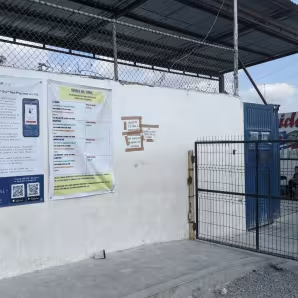
The border asylum proposed rule the Biden administration unveiled in February represents a bid to save the U.S. asylum system, not shut it down, as some contend. Whether it can succeed, however, depends on how it is implemented and on other steps that are beyond the bounds of the proposed rule, as this commentary explains.

Prolonged Ukrainian Displacement: An uneasy marriage of reception, integration, and return policies
One year into the vast Ukrainian displacement crisis sparked by Russia's invasion, European policymakers are having to confront the likelihood of prolonged stay for millions of Ukrainians and the prospect of new displacement. How can they juggle longer-term integration, first-reception services for new arrivals, and prepare Ukrainians for eventual return to rebuild their country? They will have to focus on multipronged policies and services, this commentary suggests.

Apprenticeship Programs Are a Promising Solution to Bring More Multilingual Workers into Early Childhood Field
Shortages of workers continue to plague early childhood education and care (ECEC) systems across the United States. With the field already struggling to effectively serve young children in families that speak languages other than English, apprenticeship programs offer a promising solution to bring more—and more multilingual—workers into early childhood careers.

Why the European Labor Market Integration of Displaced Ukrainians Is Defying Expectations
People displaced from Ukraine are finding work more rapidly in European countries than prior refugee cohorts. But uncertainty over how long they will stay, combined with hurdles such as language barriers, has meant many are prioritizing any job over the right job. This commentary examines how policymakers could address this waste of skills as they seek to fill pressing labor needs and facilitate deeper integration of the new arrivals.