Commentary
Showing 111–120 of 193 results
A Race Against the Clock: Meeting Seasonal Labor Needs in the Age of COVID-19
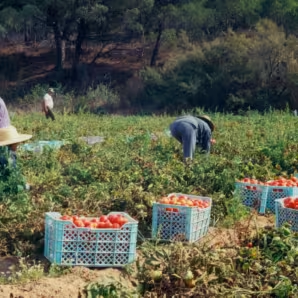
As governments have reacted to the coronavirus pandemic by closing borders, seasonal workers have been kept out, raising a pressing question: who is going to produce the food amid agricultural labor shortages? Policymakers in the Asia Pacific, Europe, and North America have responded by seeking to recruit residents, lengthen stays for already present seasonal workers, and find ways to continue admitting foreign seasonal labor, as this commentary explores.
Coronavirus Is Spreading across Borders, But It Is Not a Migration Problem
Travel bans, border closures, and other migration management tools did not prove effective at blocking COVID-19 from spreading across international borders. Yet as governments have shifted from containment to mitigation with the coronavirus now in community transmission in many countries, these restrictions are a logical part of the policy toolkit in the context of social distancing and restricting all forms of human movement, as this commentary explores.

The Future of Refugee Resettlement: Made in Europe?
Europe's refugee resettlement capacity has grown dramatically, with resettlement places more than doubling since 2014, even as European countries have become an emerging center for innovation. As Europe accounts for a rising share of resettlement worldwide, will European policymakers claim a leadership role in shaping the global resettlement agenda or fall into this position by default?

Brexit Day—Is This the Dawning of the Age of Immobility?
Brexit Day, on January 31, 2020, marks a dramatic turn for the United Kingdom as it leaves the European Union, in significant measure because it wants to control its immigration destiny. But it remains unclear whether Brexit will allow the United Kingdom to cast a net wider for the global workers it seeks or will deepen the moat around the island. Either way, Brexit is likely to spark new forms of mobility—and immobility.

USCIS Fee Increase Proposed Rule Could Represent the Latest Step in Reshaping Immigration to United States
While much attention has been given to the move by U.S. Citizenship and Immigration Services to raise its application fees—including an 83 percent hike to apply for U.S. citizenship—the policy changes embedded in the proposed rule have been less scrutinized. The changes, including the elimination of most fee waivers for lower-income applicants, would likely reduce the number and shift the profile of those getting a green card or other immigration status.

Health Insurance Test for Green-Card Applicants Could Sharply Cut Future U.S. Legal Immigration
A new Trump administration action requiring intending immigrants to prove they can purchase eligible health insurance within 30 days of arrival has the potential to block fully 65 percent of those who apply for a green card from abroad, MPI estimates.

As the United States Resettles Fewer Refugees, Some Countries and Religions Face Bigger Hits than Others
Even as refugee admissions have dropped sharply during the Trump administration, some countries and religions have been significantly more affected than others, as this commentary explores. In fiscal year 2019, 79 percent of refugees were Christian and 16 percent Muslim—as compared to 44 percent Christian and 46 percent Muslim in fiscal year 2016, which was the last full year of the Obama administration.

Millions Will Feel Chilling Effects of U.S. Public-Charge Rule That Is Also Likely to Reshape Legal Immigration
The Trump administration's 2019 public-charge rule risks prompting 22.7 million noncitizens and U.S.-citizen family members to drop benefits while also reshaping legal immigration.

Strategic Solutions for the United States and Mexico to Manage the Migration Crisis
MPI and El Colegio de México outline five strategies to address irregular Central American migration through asylum reform, legal pathways, and targeted development aid.
Soluciones estratégicas para afrontar la crisis migratoria en Estados Unidos y México
MPI y El Colegio de México proponen cinco estrategias para reducir la migración irregular centroamericana mediante reforma del asilo, vías legales e inversión en desarrollo.