North America
All Content
Showing 851–860 of 1954 results
Refugees and Asylees in the United States
The United States resettled 84,994 refugees in fiscal year (FY) 2016, even as the Trump administration moved to sharply curtail future refugee admissions in its first term.
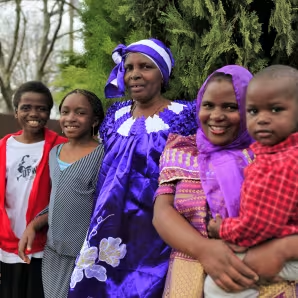
How Are Refugees Faring? Integration at U.S. and State Levels
Refugee integration outcomes in four major U.S. states vary more by national origin than by state policy, suggesting state placement matters less than previously assumed.
Immigrants and the New Brain Gain: Ways to Leverage Rising Educational Attainment
Nearly half of immigrants who arrived in the United States between 2011 and 2015 held college degrees, triple the 1990 share. Yet close to 2 million remain underemployed.

New Brain Gain: Rising Human Capital among Recent Immigrants to the United States
The share of recently arrived immigrants who are college educated nearly doubled from the late 1980s to 2011–15, driven by growing flows from Asia and global gains in educational attainment.

The Supreme Court’s Opinion on the Revised Trump Executive Order: What Does It Mean For Refugees?
Overlooked in the Supreme Court’s 2017 opinion allowing aspects of the Trump travel ban to take effect was its support for refugees coming in via resettlement.
Texas Leads Resurgence in Restrictive State Actions on Immigration Enforcement
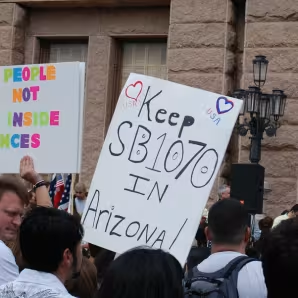
Texas's 2017 Senate Bill 4, requiring local law enforcement to cooperate with immigration authorities, revived a wave of state-level activity.
Strife Abroad, Responses at Home: Muslims in the West and Conflict Spillover
Diaspora conflict in migrant-destination countries hinges on integration quality, community leadership, and screening, this comparison of Muslim communities in London and Detroit shows.

Recognizing Changing Enforcement and Crossing Trends at the U.S.-Mexico Border
As the Trump administration makes significant changes to border policy and Congress considers potential funding for a border wall, this discussion focuses on the recent and current state of the U.S.-Mexico border, in terms of the effectiveness of enforcement strategies, crossing trends, and what these changing realities mean for the United States and Mexico.

Sub-Saharan African Immigrants in the United States
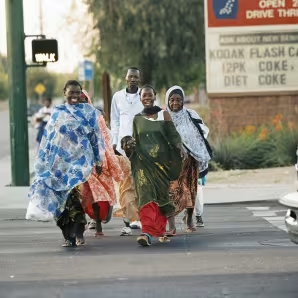
Sub-Saharan Africans in the United States are a fast-growing, highly educated group, with many entering as refugees or through the Diversity Visa Lottery.
A Revolving Door No More? A Statistical Profile of Mexican Adults Repatriated from the United States
Repeat unauthorized migration by Mexicans is declining sharply: the share intending to return to the United States fell from 95 percent in 2005 to 49 percent in 2015.