North America
All Content
Showing 1651–1660 of 1954 results
Early Education for Immigrant Children
High-quality early childhood programs combining classroom learning with intensive family support produce the strongest gains for young children in immigrant families.

Language Policies and Practices for Helping Immigrants and Second-Generation Students Succeed
Analysis of 14 immigrant-receiving countries shows that sustained language education support can substantially narrow immigrant student achievement gaps.
Variable Impacts: State-level Analysis of the Slowdown in the Growth of Remittances to Mexico
From 2003 to 2007, Mexico’s remittance slowdown hit core migrant-sending states hardest, with limited measurable labor-market effects.
Foreign-Born Wage and Salary Workers in the U.S. Labor Force and Unions
In 2006, immigrant workers made up a growing but still underrepresented share of U.S. union membership.
Alternative Immigration Reforms Follow Failed Legislation
After comprehensive reform failed in June 2007, U.S. immigration policy shifted to narrower enforcement and legislative steps.
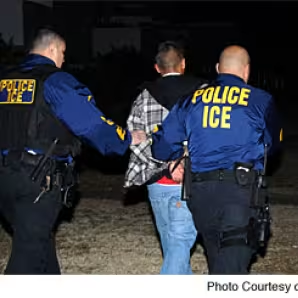
Comprehensive Immigration Reform Eludes Senate, Again
After the Senate’s June 28, 2007 vote, comprehensive U.S. immigration reform had stalled and narrower measures remained possible.
Adult English Language Instruction in the United States: Determining Need and Investing Wisely
Adult English instruction in the United States is severely underfunded. Closing the gap requires curriculum reform, federal investment, and stronger instructor standards.
Senate Immigration Bill, Attacked from All Sides, Gains Second Chance
In June 2007, the U.S. Senate revived a contested immigration bill that paired legalization with tougher enforcement and merit-based reform.
Bridging Divides: The Role of Ethnic Community-Based Organizations in Refugee Integration
Ethnic community-based organizations help refugees move from basic self-sufficiency toward long-term mobility and empowerment but face funding and access constraints.
Document Security Provisions: What's in the Cards?
Social Security cards lack the biometric identifiers, chips, and holograms found in other U.S. identity documents, leaving them the least secure widely used government ID.