North America
All Content
Showing 1191–1200 of 1954 results
How Can Talent Abroad Induce Development at Home? Towards a Pragmatic Diaspora Agenda
Highly skilled diaspora members can catalyze institutional development at home, but only when engagement strategies are pragmatic and tailored to local conditions.

Is the United States Bad for Children’s Health? Risk and Resilience among Young Children of Immigrants
Children of Mexican immigrants start life with health advantages, but those advantages erode in early childhood as poverty, food insecurity, and limited access take hold.

Migración Mexicana a los EE.UU.: Factores Económicos Subyacentes y Posibles Escenarios de Flujos Futuros
Los flujos netos de mexicanos a EE.UU. crecerán post-crisis pero no alcanzarán los niveles de los 90; la demanda sectorial estadounidense es el principal factor explicativo.
Preparing the Children of Immigrants for Early Academic Success
Despite outperforming expectations set by family socioeconomic disadvantage, the children of immigrants enter U.S. school at greater risk than peers, and early intervention is key to reversing that.

Recognizing Foreign Qualifications: Emerging Global Trends
Rising temporary migration is outpacing traditional licensing frameworks globally, and partial recognition models show promise but risk stranding migrants in limbo for years.

Skills, Professional Regulation, and International Mobility in the Engineering Workforce
Engineering credential recognition remains fragmented worldwide, and mutual recognition initiatives have made slow progress, with poorly understood impacts on mobility.

Tackling Brain Waste: Strategies to Improve the Recognition of Immigrants’ Foreign Qualifications
Foreign professionals remain excluded from licensed occupations by real skills gaps—not just poor information—demanding more affordable and flexible retraining in immigrant-receiving countries.

Diasporas and Development in Post-Communist Eurasia
In post-Communist Eurasia, millions became diaspora members not by migrating but through border shifts.
As Senate Debates Immigration Reform, CBO and New Studies Examine Effects of Immigration on Nation's Fiscal Health
The Congressional Budget Office projected immigration reform would reduce the federal deficit by $175 billion over ten years.
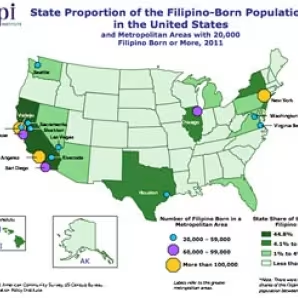
Filipino Immigrants in the United States
In 2011, 65 percent of Filipino immigrants had naturalized as U.S. citizens.