Africa (Sub-Saharan)
All Content
Showing 221–230 of 239 results
Emigration, Brain Drain and Development: The Case of Sub-Saharan Africa
While emigration may be beneficial in some cases, unhindered high-skilled emigration, particularly in the case of sub-Saharan Africa, can have disastrous consequences for its development.

Ethiopians Who Survived the Famine: A Repatriation Success Story
Ethiopian refugees who fled the 1984 famine to Sudan repatriated in 1993 with minimal aid, and most achieved self-sufficiency through resilience and community-building.
Trafficking in Women from Nigeria to Europe
Trafficking from Nigeria is centered in Edo state, where one in three young women surveyed had received offers to go to Europe.
Surrounded: Women and Girls in Northern Uganda
In Northern Uganda, displaced women and girls face violence from the Lord’s Resistance Army (LRA), exploitation by soldiers meant to protect them, and a troubled legal system.
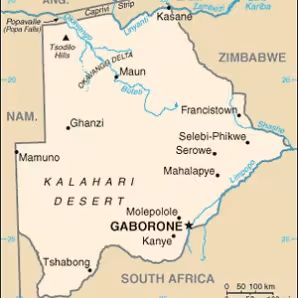
Botswana's Changing Migration Patterns
After independence, Botswana became a migrant-receiving country, but unauthorized Zimbabwean arrivals since 2000 prompted new restrictions.
Changing Configurations of Migration in Africa
Feminization, commercialization, brain drain, and HIV/AIDS were among the forces transforming migration patterns across Africa.
Darfur: Beyond the Brink of Disaster
Conflict in Darfur displaced 1.2 million internally and put 2.2 million at risk as of mid-2004, while sovereignty concerns left the UN Security Council slow to respond.
International Migration in Africa: An Analysis Based on Estimates of the Migrant Stock
Despite population growth, Africa's share of global migrants fell to 9 percent by 2000, with refugee flows accounting for many of the continent's migrant stock.
Liberia: The Challenges of Post-Conflict Reconstruction
Civil war left 350,000 Liberian refugees and 500,000 internally displaced as of mid-2004, with stalled ex-combatant reintegration threatening the peace process.
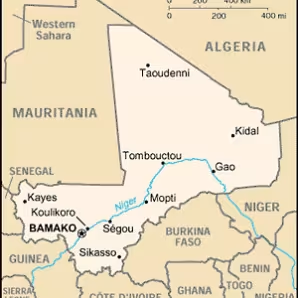
Mali: Seeking Opportunity Abroad
Mali's centuries-long migration tradition has resulted in an estimated 4.4 million abroad by 2000, though factors such as Ivory Coast’s instability and European restrictions constrain options.