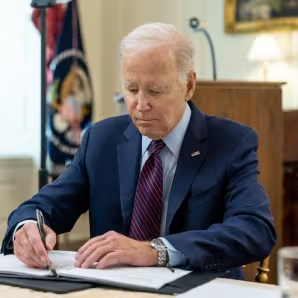
Muzaffar Chishti

Muzaffar Chishti, a lawyer, is an MPI Senior Fellow and Director of the MPI office at New York University School of Law. His work focuses on U.S. immigration policy at the federal, state, and local levels; the intersection of labor and immigration law; immigration enforcement; civil liberties; and immigrant integration.
Prior to joining MPI, Mr. Chishti was Director of the Immigration Project of the Union of Needletrades, Industrial & Textile Employees (UNITE).
Mr. Chishti serves on the board of the New York Immigration Coalition. He has served as Chairman of the Boards of Directors of the National Immigration Forum and the National Immigration Law Center, as a member of the American Bar Association’s Coordinating Committee on Immigration, and on the board of the Asian American Federation.
Mr. Chishti has testified extensively on immigration policy issues before Congress and is frequently quoted in the media. In 1992, as part of a U.S. team, he assisted the Russian Parliament in drafting its legislation on forced migrants and refugees. In 2025, he received the Outstanding American by Choice recognition from U.S. Citizenship and Immigration Services Director Ur Jaddou; he is also a 1995 recipient of the Ellis Island Medal of Honor and 1994 recipient of the New York State Governor's Award for Outstanding Asian Americans.
Mr. Chishti was educated at St. Stephen's College, Delhi; the University of Delhi; Cornell Law School; and the Columbia School of International Affairs.
- Media Inquiries
-
Michelle Mittelstadt
202 266 1910 [email protected]
Explore Content by Muzaffar Chishti
Showing 41-50 of 236 total results
New York and Other U.S. Cities Struggle with High Costs of Migrant Arrivals
Record migrant arrivals have pushed U.S. cities to spend billions on shelter and services as federal aid falls far short and work authorization lags.
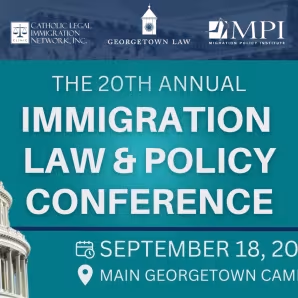
20th Annual Immigration Law and Policy Conference
Experts examined the Biden administration's immigration actions, border policy, state actions, legal representation, humanitarian parole for Cuban, Haitian, Nicaraguan, and Venezuelan nationals, and other top issues in immigration policy.
In the Twilight Zone: Record Number of U.S. Immigrants Are in Limbo Statuses
A record 1.9 million migrants were in the United States on temporary statuses in 2023, the result of unprecedented executive actions taken by the Biden administration.
Straining under the Backlog: Fixing a U.S. Immigration Court System in Crisis
As the U.S. immigration court system struggled with record case backlogs in 2023, this discussion examined the factors that have driven the system to the point of crisis and possible fixes.
At the Breaking Point: Rethinking the U.S. Immigration Court System
By 2023, the U.S. immigration court backlog surpassed 3 million cases. Incremental fixes have failed—fundamental redesign of the system is essential.

Activism on Immigration by U.S. States Is Back, with New Tactics and Different Targets
Immigration activism is back—more polarized than ever—with some states expanding immigrant rights while others enact sweeping enforcement laws and deploy National Guard troops.
U.S. Border Asylum Policy Enters New Territory Post-Title 42
The end of the Title 42 expulsions policy ushered in sweeping border asylum restrictions, but capacity limits, record court backlogs, and litigation have left U.S. border policy on uncertain ground.

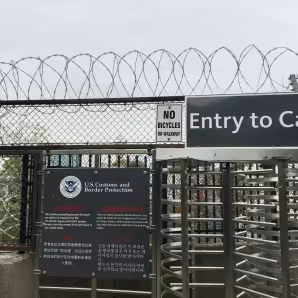
Roxham Road Meets a Dead End? U.S.-Canada Safe Third Country Agreement Is Revised
The revised U.S.-Canada Safe Third Country Agreement closed the Roxham Road loophole but raises serious safety concerns and signals a broader U.S. shift toward externalizing asylum responsibility.
Federal Judges Step into the Void to Set U.S. Immigration Policy
With Congress overwhelmingly silent on immigration, federal courts have become de facto policymakers, halting or allowing executive actions, managing backlogs, and more.
Imminent End of Formal U.S. Pandemic Emergencies Marks New Era in Immigration Realm
The end of U.S. pandemic emergency declarations will shrink public benefits and reduce health-care access for U.S. residents, with immigrants bearing a disproportionate share of the fallout.