Diasporas
All Content
Showing 291–300 of 326 results
Causes of South-South Migration and Its Socioeconomic Effects
South-South migrants gain a lower increase in wages than South-North migrants, yet many have no alternative but to move within the developing world.

Gaining from Migration: Towards a New Mobility System
The emerging global mobility system seeks to manage labor flows as a shared labor market while advancing migrant integration and development in Europe and partner countries.
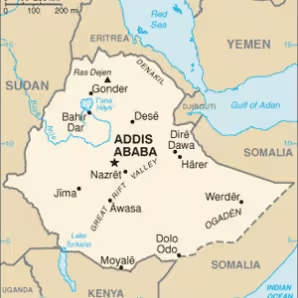
Beyond Regional Circularity: The Emergence of an Ethiopian Diaspora
The 1974 Derg revolution transformed Ethiopia from a country of minimal emigration into a major refugee-producing state, giving rise to a global diaspora.
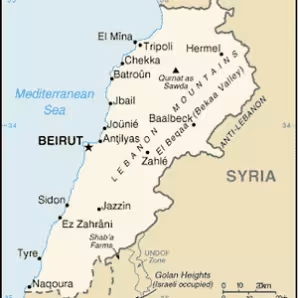
The Lebanese Crisis and Its Impact on Immigrants and Refugees
The 2006 war in Lebanon displaced nearly 1 million people and exposed the precarious status of migrant workers and refugees lacking legal protections.
Detailed Characteristics of the Caribbean Born in the United States in 2000
In 2000, nearly 3 million Caribbean-born individuals made up 9.5 percent of U.S. foreign born; Cubans were the largest group.
Spotlight on the Iranian Foreign Born
Shaped by the 1979 Islamic Revolution, the Iranian-born U.S. population of 283,000 in 2000 tended to be highly educated and high-earning, with over half living in California.
Detailed Characteristics of the South American Born in the United States in 2000
About 1.9 million South American born made up 6.2 percent of U.S. immigrants in 2000; Colombians were the largest of this group.
The Central American Foreign Born in the United States in 2004
As of 2000, more than 2 million Central Americans lived in the United States, with Salvadorans making up the largest share at 40 percent.
Characteristics of the Asian Born in the United States in 2000
As of 2000, the 8.2 million immigrants from Asia made up 26 percent of the U.S. foreign-born population.
Characteristics of the African Born in the United States in 2000
The African-born U.S. population more than doubled from 1990 to 2000, reaching 880,000; more than two in five adults held college degrees, nearly twice the foreign-born average.