Circular Migration
All Content
Showing 81–90 of 91 results
Causes of South-South Migration and Its Socioeconomic Effects
South-South migrants gain a lower increase in wages than South-North migrants, yet many have no alternative but to move within the developing world.

Protecting Overseas Workers: Lessons and Cautions from the Philippines
An ambitious overseas worker protection system in the Philippines expands safeguards for migrants but also entails risks related to weak oversight, and fee-based financing.
Secondary Migration: Who Re-Migrates and Why These Migrants Matter
Secondary migrants made up about 15 percent of those admitted to the United States in 2003 and tended to have more education than one-step arrivals.
Circular Migration and Development: Trends, Policy Routes, and Ways Forward
Circular migration policies fall short of achieving development goals. Success requires voluntary return, investment-friendly origin countries, and private-sector engagement.
Linking Temporary Worker Schemes with Development
Evidence on temporary worker schemes as development tools remains mixed, with outcomes hinging on contract design, recruitment, and migrants' ability to save.
From A Zero-Sum to a Win-Win Scenario? Literature Review on Circular Migration
Circular migration holds real development potential, but realizing win-win outcomes depends on conditions that research has only begun to map.
Kenya: What Role for Diaspora in Development?
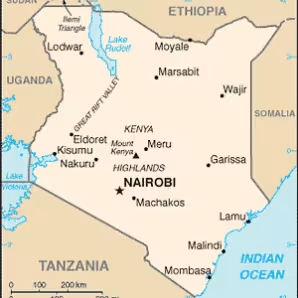
Stagnation and repression turned Kenya's circular education migration into mass brain drain, while the 2002 election raised diaspora development hopes.
Circular Migration: Keeping Development Rolling?
Circular migration has surged globally, but data and policy still reflect outdated models.
Using Remittances and Circular Migration to Drive Development
A 2003 Migration Policy Institute (MPI) expert meeting found remittances and circular migration were underused as development tools.
Discussion on Migration and Development: Using Remittances and Circular Migration as Drivers for Development
Remittances and circular migration are powerful but underutilized development drivers, yet policy frameworks and data collection lag far behind the evidence.