All Articles
Showing 1361–1370 of 1434 results
Revamped Homeland Security Department to Incorporate INS Duties
The U.S. Department of Homeland Security (DHS) absorbed the Immigration and Naturalization Service (INS) on March 1, 2003, dividing its responsibilities across three new bureaus.

Sex Ratios of the Foreign Born in the United States
The U.S. foreign-born population had a balanced sex ratio of 101 in 2002, but ratios ranged from 138 (India) to 64 (Germany), shaped by migration type and length of stay.
The Global Dimensions of Female Migration
Women have comprised nearly half of all international migrants since 1960; UN data counted 85 million female migrants in 2000.
Mothers, Wives, and Workers: Australia's Migrant Women
Australia's skilled-worker push resulted in women accounting for a majority of settling immigrants by June 2002.
Gender and the Symbiosis Between Refugee Law and Human Rights Law
Legal approaches that interpret violence against women within human rights norms are helping redefine refugee law.
Women and Migration: Incorporating Gender into International Migration Theory
Migration theory has grown more gender-sensitive since the 1960s but gaps remain.
Austria: A Country of Immigration?
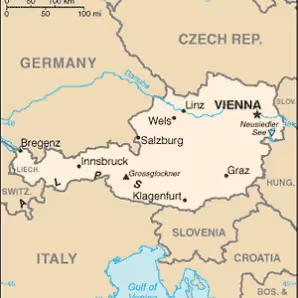
Austria's foreign-born population reached 12.5 percent in 2001, surpassing U.S. levels, yet official policy still rejects the notion of the country as an immigration country.
Building a Gender and Age-Sensitive Approach to Refugee Protection
Women and children made up nearly 70 percent of those under UNHCR's care in 2003, but regional variations exist.
Asian Women Migrants: Going the Distance, But Not Far Enough
Female labor migration in Asia has surged since the 1970s.
Detention Center Fires Spark Renewed Debate on Australian Refugee Program
Arson at five Australian detention centers in December 2002 intensified debate over mandatory detention policy and the difficulty of deporting rejected asylum seekers.