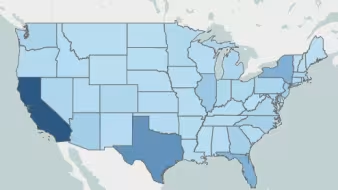
Educational Attainment of U.S. Adults (ages 25 and over) by Nativity and Top 10 Country of Birth, 2024
As is the case for all adults, immigrants’ education levels can reflect the opportunities they have had and shape those they have in the future—for example, the types of jobs they are qualified for. The data in this chart show variation in the education levels of the U.S. born, all immigrants, and recent arrivals, plus top nationalities for both sets of immigrants. Click the “Get the Data” button above for data on additional nationality groups.
1. The term "immigrants" (also known as the foreign born) refers to people residing in the United States at the time of the population survey who were not U.S. citizens at birth. The foreign-born population includes naturalized U.S. citizens, lawful permanent immigrants (or green-card holders), refugees and asylees, certain legal nonimmigrants (including those on student, work, or some other temporary visas), and persons residing in the country without authorization.
2. The term "U.S. born" refers to people residing in the United States who were U.S. citizens in one of three categories: people born in one of the 50 states or the District of Columbia; people born in U.S. Insular Areas such as Puerto Rico or Guam; or people who were born abroad to at least one U.S. citizen parent.
Source
Migration Policy Institute (MPI) tabulation of data from U.S. Census Bureau 2024 American Community Survey.
Related Content