United States

Key Statistics
Data are 2024 UN data and may differ from national statistics agencies.
52375000
Immigrant Population
15.2%
Immigrant Share of Total Population
3187000
Emigrant Population
All Content
Showing 881–890 of 1513 results

California Takes the Lead in Targeting Education Dollars on English Language Learners, But There Is More to Be Done
California's school funding formula directs extra dollars to English Learners, but gaps in outcomes for immigrant youth signal that more structural change is still needed.

Select Diaspora Populations in the United States
Profiles of U.S. diaspora communities from 15 countries reflect how they drive homeland development through remittances and human capital. But their investment potential remains underutilized.

Dramatic Surge in the Arrival of Unaccompanied Children Has Deep Roots and No Simple Solutions
A surge of Central American unaccompanied children is straining U.S. systems.
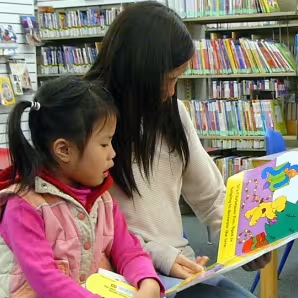
Immigrant Parents and Early Childhood Programs: Addressing Barriers of Literacy, Culture, and Systems Knowledge
Immigrant parents of young U.S. children face language and literacy barriers, but cuts to adult education have left early childhood programs without partners to address them.
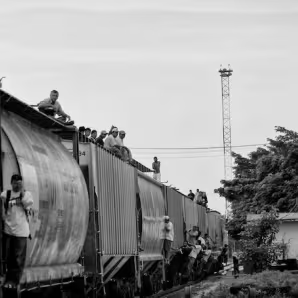
What Is the Right Policy Toward Unaccompanied Children at U.S. Borders?
With 60,000 unaccompanied children expected at U.S. borders in fiscal year 2014, MPI outlines a multipart policy plan that balances enforcement with humanitarian protection.

Critical Choices in Post-Recession California: Investing in the Educational and Career Success of Immigrant Youth
California's budget crisis gutted adult education and cut college enrollment by nearly half a million, deepening gaps for immigrant youth at every level of education.

Haitian Immigrants in the United States
In 2012, Haitian immigrants in the United States were tightly clustered in a few metro areas along the East Coast.

State-Level Initiatives to Address Brain Waste Among Highly Educated Immigrants and Refugees: Special Focus on Nurses, Engineers, and Teachers
A discussion of data compiled by MPI on brain waste among foreign-trained nurses, engineers, and teachers, with updates on three state-level initiatives—in Illinois, Washington, and Massachusetts—that are working to analyze and address challenges faced by immigrants and refugees with degrees and training in these fields.
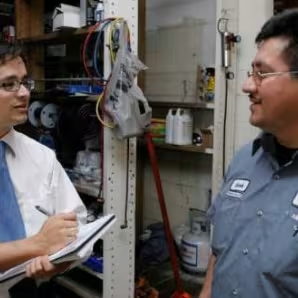
Brain Waste in the Workforce: Select U.S. and State Characteristics of College-Educated Native-Born and Immigrant Adults
College-educated immigrants in the United States are affected by brain waste at nearly double the rate of native-born workers when they obtained their degrees abroad.