United States

Key Statistics
Data are 2024 UN data and may differ from national statistics agencies.
52375000
Immigrant Population
15.2%
Immigrant Share of Total Population
3187000
Emigrant Population
All Content
Showing 801–810 of 1513 results
Overcoming WIOA’s Barriers to Immigrant and Refugee Adult Learners
A webinar examining aspects of the implementation at state and local levels of the federal Workforce Innovation and Opportunity Act (WIOA) that may limit immigrant integration, along with a discussion on strategies that may help ensure more equitable access for immigrants and refugees to services provided under the law.

Fierce Opposition, Court Rulings Place Future of Family Immigration Detention in Doubt
Court rulings and advocacy have raised new questions about the future of U.S. family immigration detention.
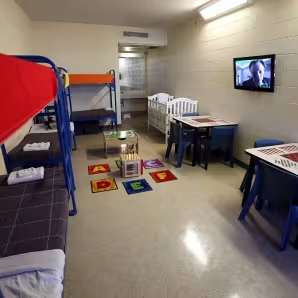
Regional Enforcement: A Profile of Migrants Deported from the United States and Mexico to the Northern Triangle
Marking the release of an MPI report, speakers on this webinar present an overview of regional immigration enforcement trends, including U.S. and Mexican apprehensions and deportations of both children and adults, along with a demographic, socioeconomic, and criminal profile of child and adult deportees.
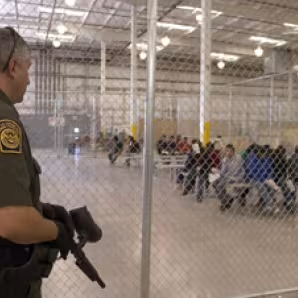
Central American Immigrants in the United States
In 2013, there were 3.2 million Central American immigrants in the United States, most of them from the Northern Triangle.
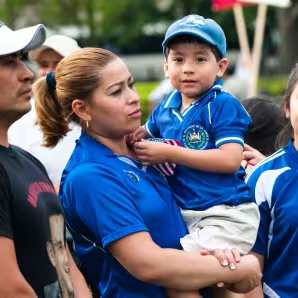
Implications of Immigration Enforcement Activities for the Well-Being of Children in Immigrant Families: A Review of the Literature
Parental deportation inflicts trauma and family dissolution on children of unauthorized immigrants. For many, health and social services remain structurally out of reach.
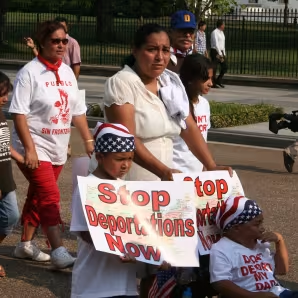
Danger Ahead for Aspiring Citizens as New Federal Workforce Law Is Implemented
Federal workforce regulations changes in 2015 threaten to cut off English and civics instruction for millions of immigrants seeking citizenship and basic integration support.

The Educational, Psychological, and Social Impact of Discrimination on the Immigrant Child
Teacher discrimination reduces immigrant children's academic self-concept and school belonging, independently of actual performance, and raises dropout risk.
Migrants Deported from the United States and Mexico to the Northern Triangle: A Statistical and Socioeconomic Profile
Mexico is intercepting more northern Central American migrants before the U.S. border. But shifting flows without addressing root causes is not a lasting solution.

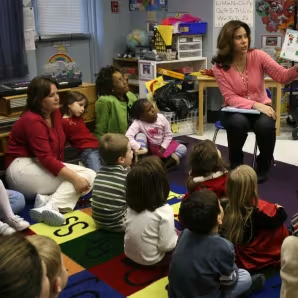
The Impact of Discrimination on the Early Schooling Experiences of Children from Immigrant Families
Personal and structural discrimination in early schooling damages the development, academic trajectories, and sense of belonging of young children from immigrant families.

Economic, Social, and Health Effects of Discrimination on Latino Immigrant Families
Discrimination against Latino immigrant families produces cascading economic, health, and social harms. Still, strong ethnic identity can buffer these effects.