United States

Key Statistics
Data are 2024 UN data and may differ from national statistics agencies.
52375000
Immigrant Population
15.2%
Immigrant Share of Total Population
3187000
Emigrant Population
All Content
Showing 791–800 of 1513 results
Young Refugee Children: Their Schooling Experiences in the United States and in Countries of First Asylum
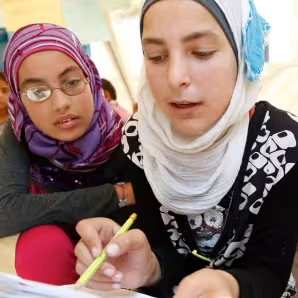
The authors of three MPI papers present their findings on the experiences of refugee children, including Syrian childen in first-asylum countries and Somali Bantu refugees resettled in the United States, and the impacts on their mental health and education.
Fifty Years On, the 1965 Immigration and Nationality Act Continues to Reshape the United States
Fifty years after passage, the 1965 immigration law still anchors U.S. policy, driving more diverse inflows, uneven integration, and recurring political battles.

Unaccompanied Child Migrants in U.S. Communities, Immigration Court, and Schools
The U.S. immigration court system has failed to resolve most unaccompanied children's legal status, leaving communities and schools with minimal federal support.
The U.S. Record Shows Refugees Are Not a Threat
Since 2001, only three of 784,000 resettled refugees faced terrorism charges. This commentary offers a data-driven rebuttal to security objections over Syrian refugee admissions.
The Academic Engagement of Newly Arriving Somali Bantu Students in a U.S. Elementary School
Somali Bantu children's school disruptions stem from unfamiliarity with formal schooling—not disinterest—a finding that demands new approaches from teachers and schools.
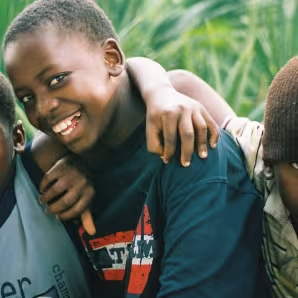
It is Time for Federal Agencies to Do More to Improve the Provision of Language Access Services
Federal agencies should better support states on language access initiatives, as the Limited English Proficient (LEP) adult population has nearly doubled since 1990.
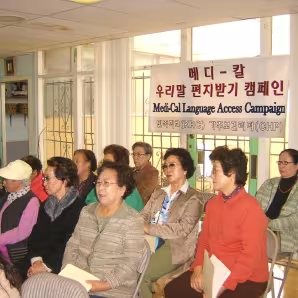
Ten Facts About U.S. Refugee Resettlement
Despite funding constraints, the U.S. refugee resettlement program achieves broad self-sufficiency, though outcomes vary substantially by origin group.
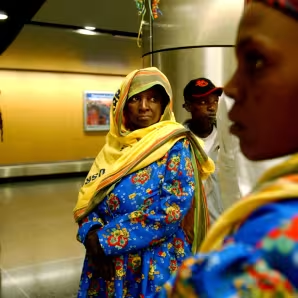
Mapping the Patchwork of State ‘DREAM Acts’ and Postsecondary Education Policies for Unauthorized Immigrant Youth
Across 17 states, policies on in-state tuition and financial aid for Dreamers vary widely, with DACA-eligible students often caught in legal and financial limbo.
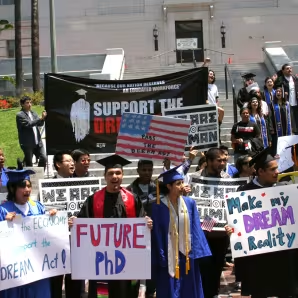
The Educational Experiences of Refugee Children in Countries of First Asylum
Disrupted schooling and language barriers in first-asylum countries shape refugee children's readiness for U.S. education but remain largely hidden from their teachers.
Green-Card Holders and Legal Immigration to the United States
In 2013, nearly 1 million new lawful permanent residents were admitted to the United States, mostly through family reunification.